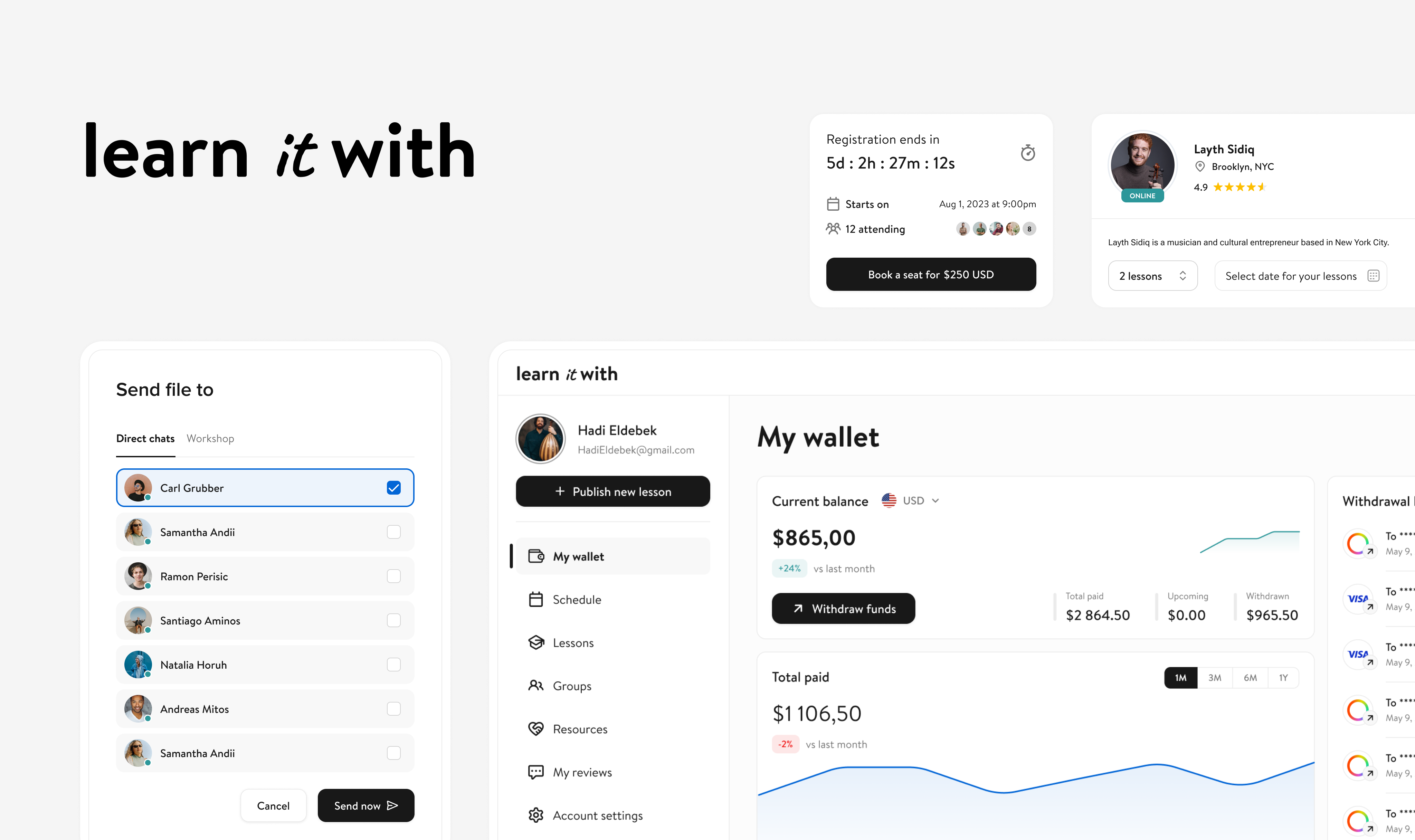
Learn It With is an online tutoring platform connecting music learners with private and professional musicians for one-on-one and group lessons, specializing in a wide range of music genres and instruments.
www.learnitwith.comLed the entire design process from research and concept development to wireframing, prototyping, and final UI design.
End-to-end experience for both learners and tutors, including lesson booking, virtual classroom, chats, payments, lessons management.
Collaborated with developers and stakeholders to align product goals, define requirements, and deliver the final solution.
Online education has made learning more accessible than ever, but delivering high-quality, real-time instruction—especially in music—comes with unique challenges.
Learn It With set out to create a structured yet flexible environment where musicians and students could connect, collaborate, and manage lessons efficiently. The complexity lay in designing a system that served two distinct user groups—tutors and learners—each with different goals, workflows, and expectations.
The primary goal was to design a cohesive web-based virtual classroom experience that simplified lesson booking, payments, progress tracking, and lesson management, while ensuring an intuitive and reliable experience for both sides of the platform.
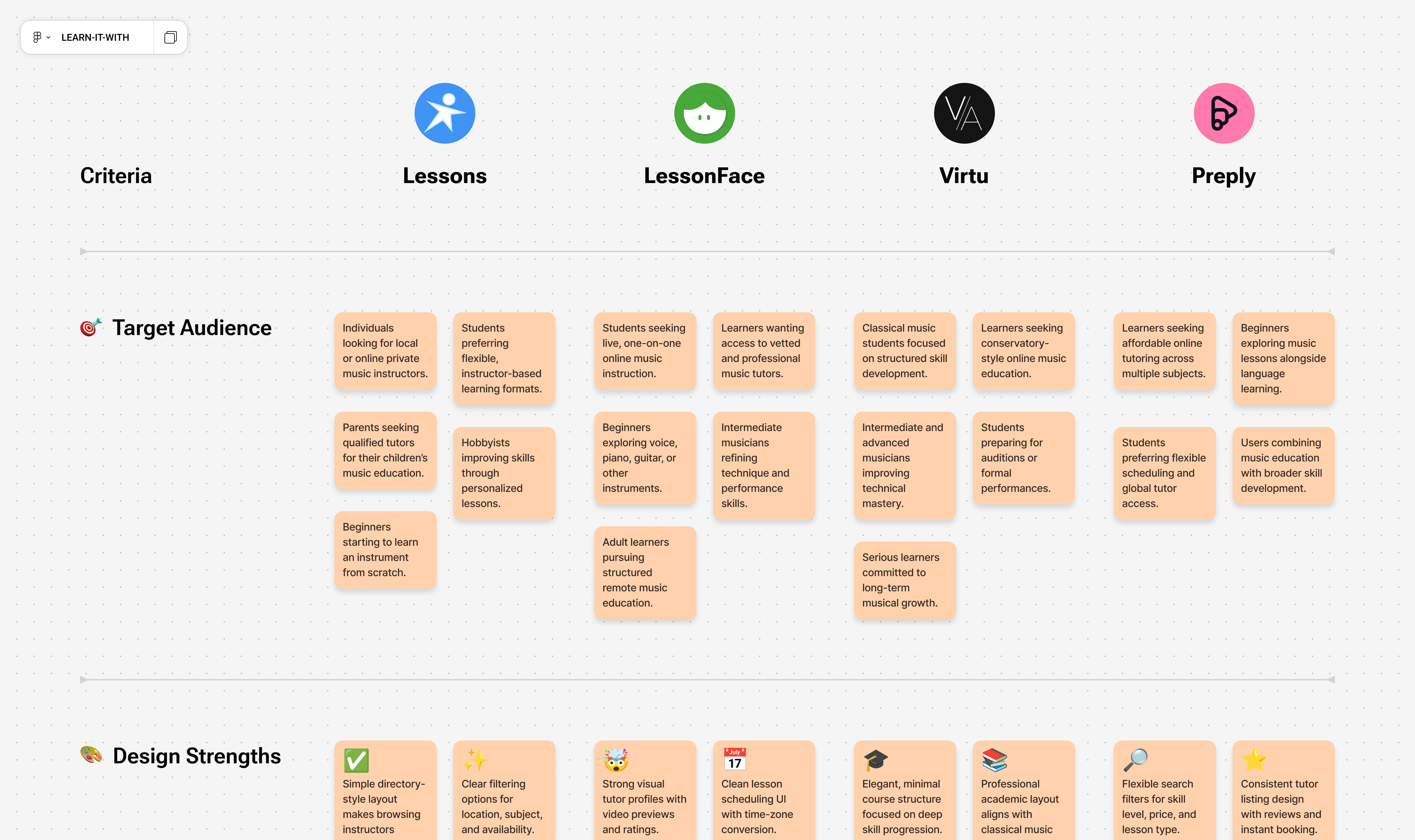
To better understand how these challenges are currently addressed in the market, I analyzed existing online tutoring platforms.
I analyzed leading online tutoring platforms to understand how they structure tutor discovery, lesson management, payments, and live classroom experiences. The focus was on user flows, role separation between tutors and learners, and overall usability across both sides of the platform.
I also looked at how complexity is handled within booking systems, scheduling logic, and tutor profile presentation. This helped identify rcommon patterns, strengths, and gaps, which directly informed key design decisions for Learn It With.

Most platforms operate as booking marketplaces rather than fully integrated learning environments.
Virtual classrooms are often external tools layered on top of scheduling systems, creating fragmented experiences.
Trust is primarily built through tutor profiles, reviews, and trial lessons rather than structured learning outcomes.
Trial lessons drive conversion but introduce friction in tutor motivation and compensation models.
Scheduling flows prioritize availability over intelligent matching based on goals and skill level.
Progress tracking and long-term skill development are underdeveloped across most platforms.
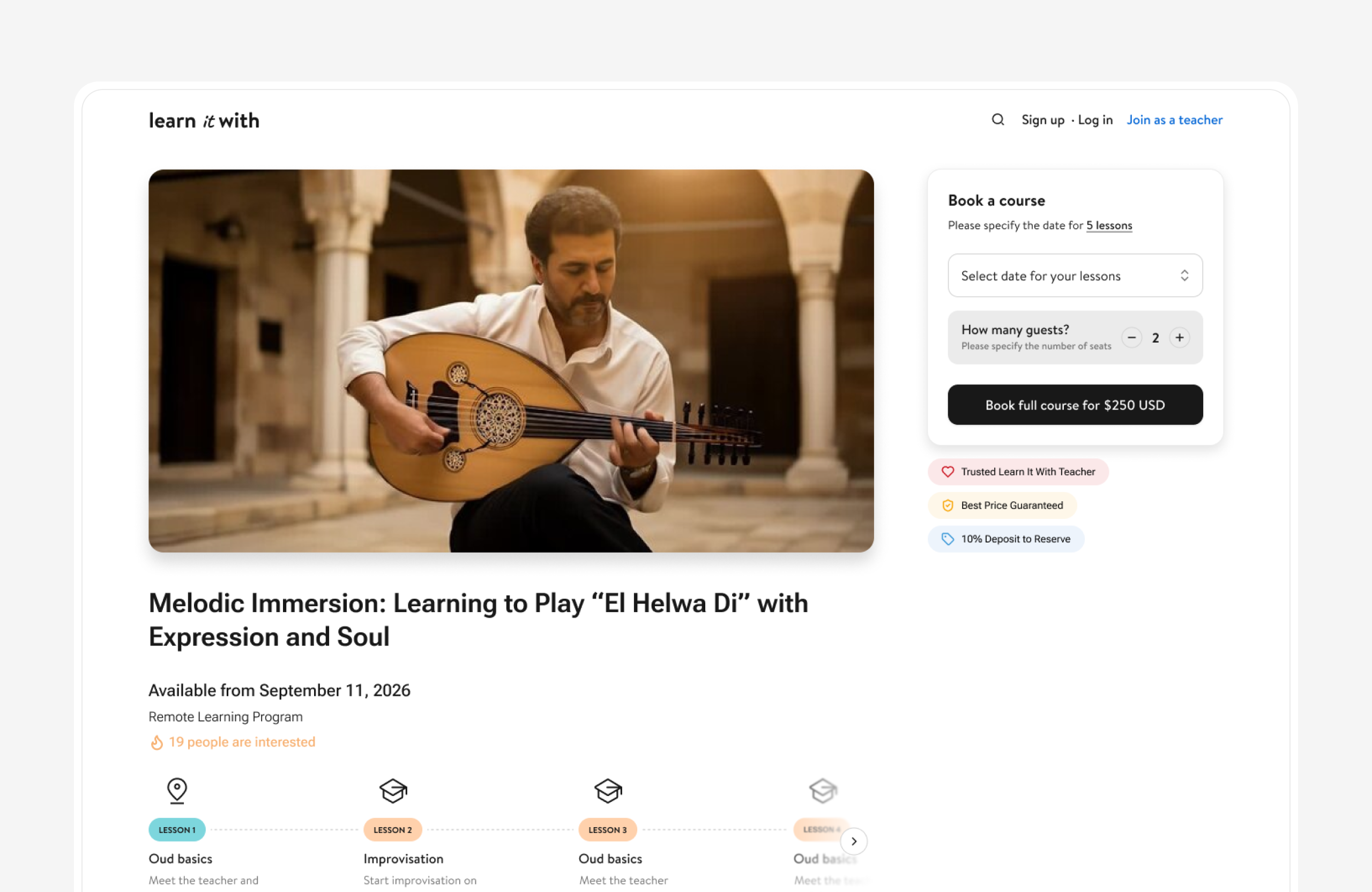
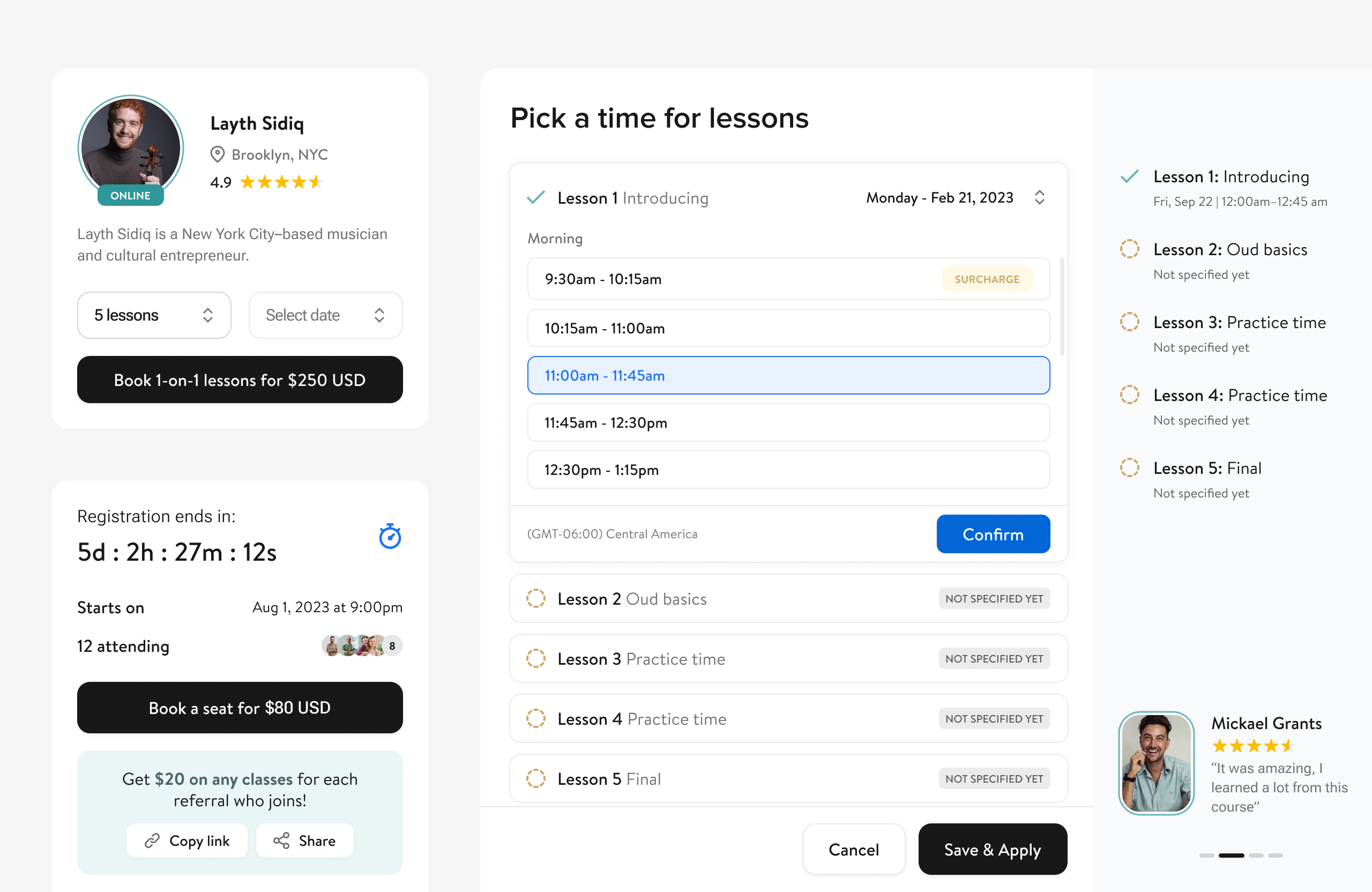
Booking a music lesson is more than selecting a time slot—it’s a decision that involves trust, clarity, and confidence. Existing platforms often prioritize availability and pricing, but overlook the emotional and informational needs that influence a learner’s decision.
The goal was to design a booking experience that feels transparent, guided, and intuitive. By restructuring the course details page and simplifying the booking flow, the experience was designed to reduce friction, clarify expectations, and support informed decisions for both tutors and learners.
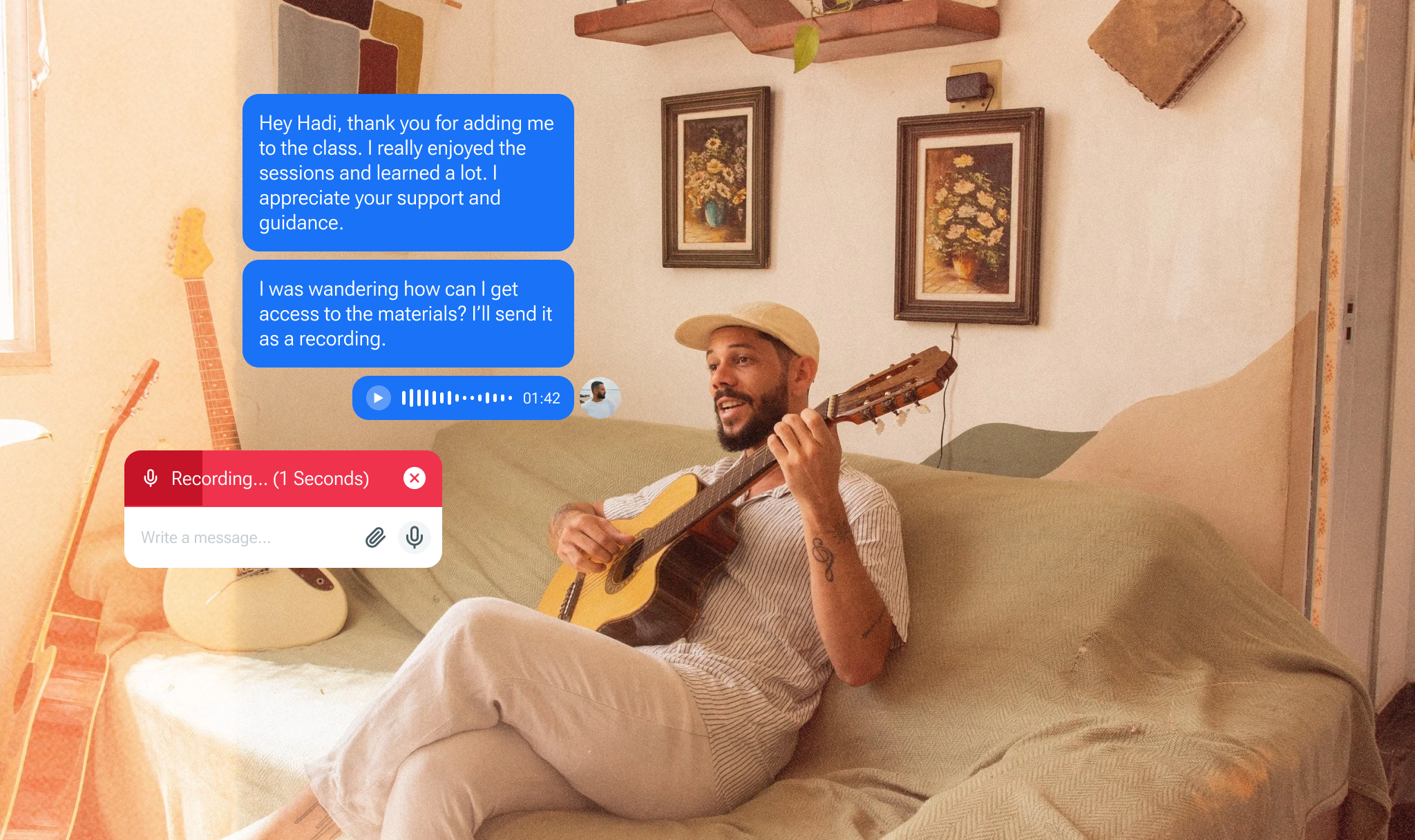
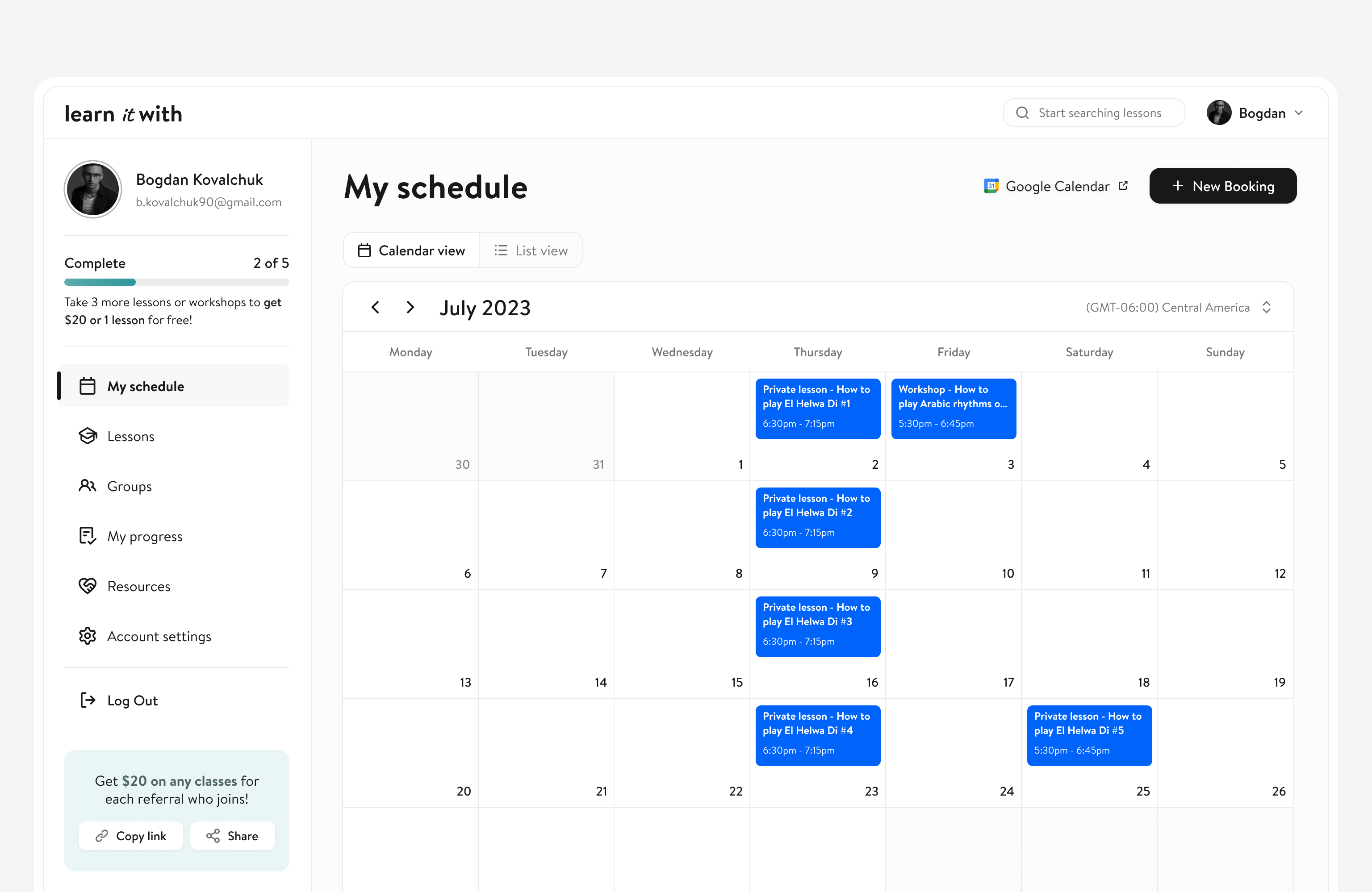
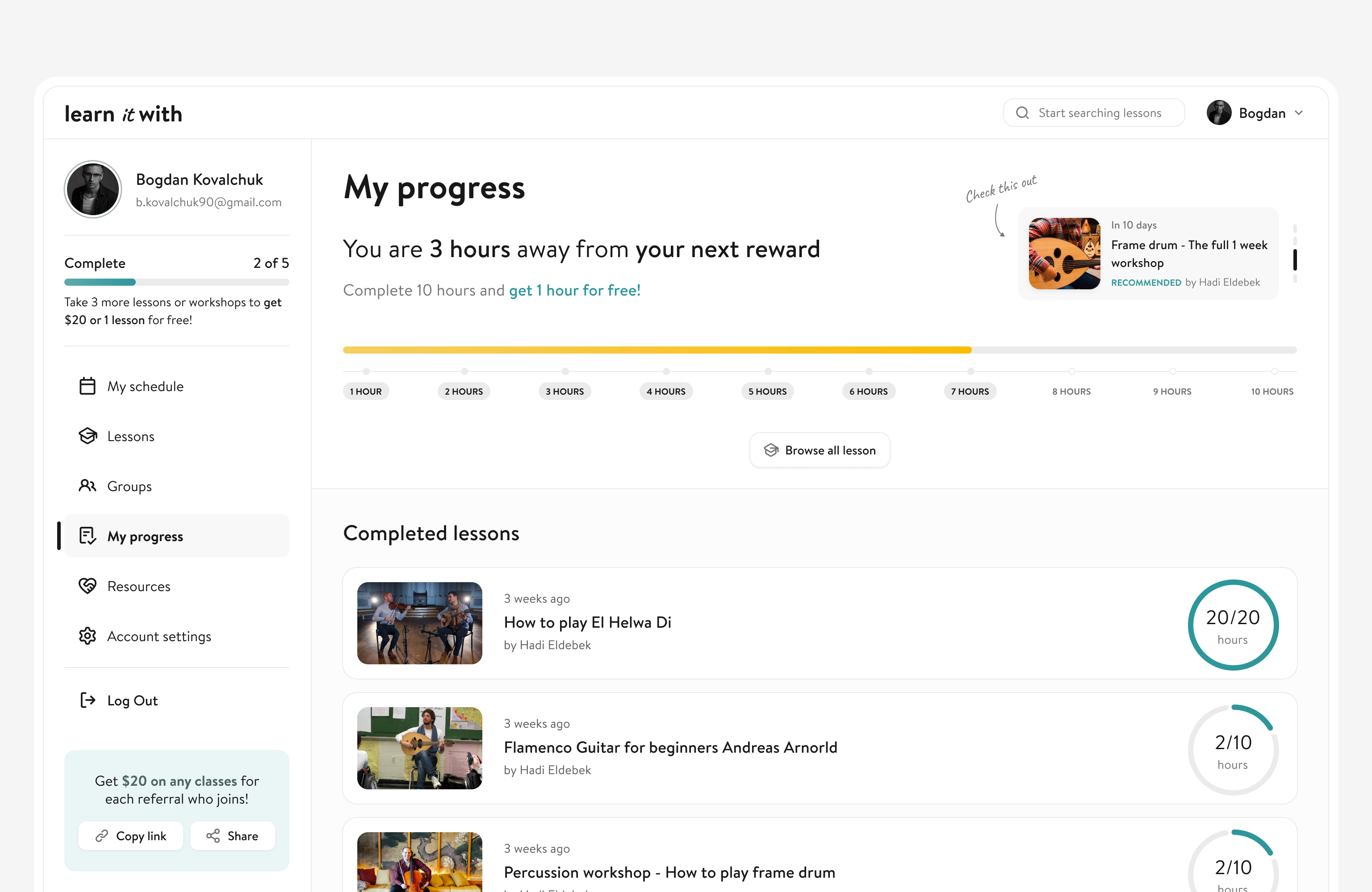
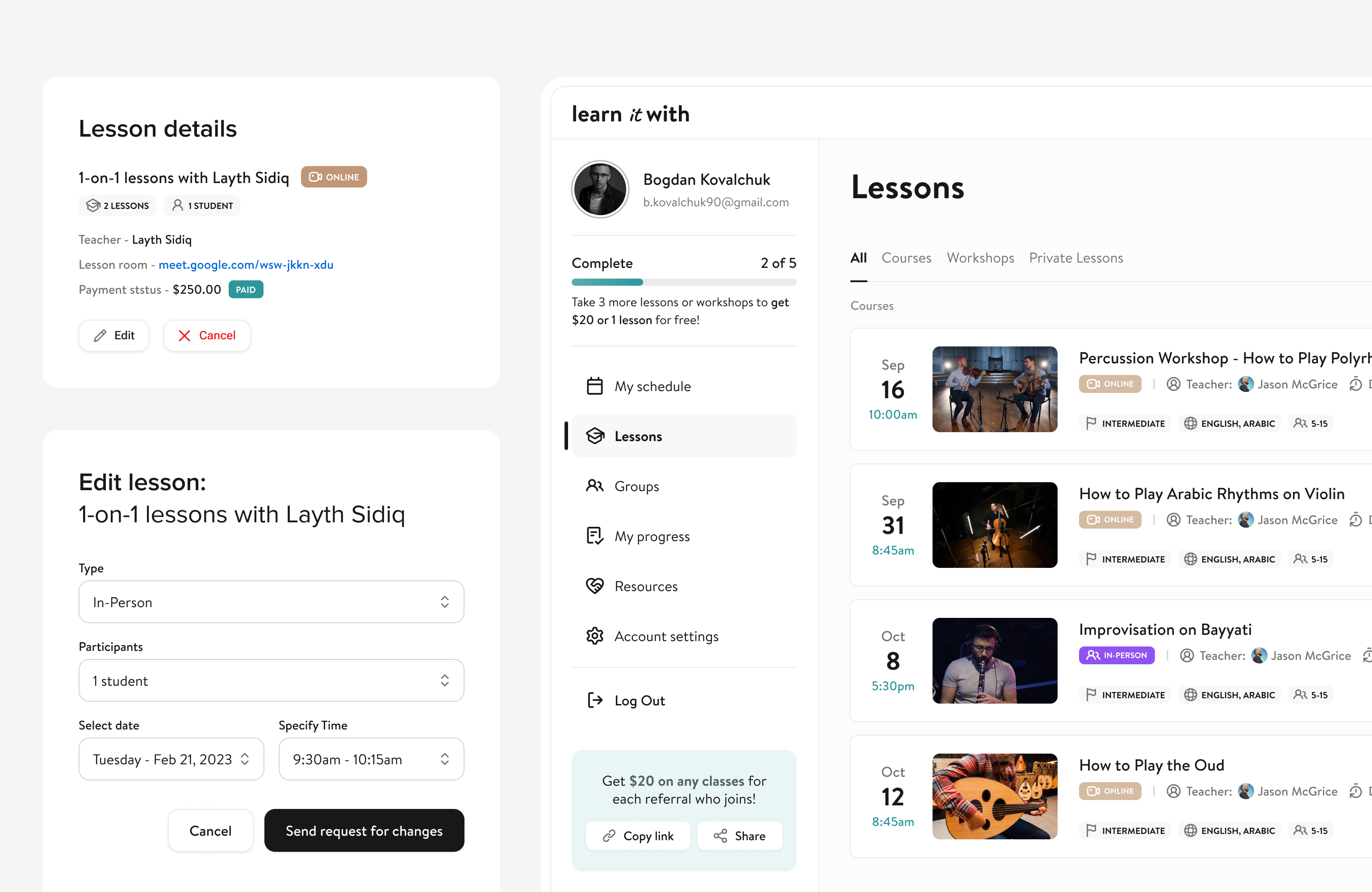
To support meaningful progress, I designed the student experience to extend beyond scheduling and payments into a structured and supportive personal space.
I created the student area as a centralized learning hub where users can manage upcoming lessons, review past sessions, track progress, and access relevant materials. My focus was on clarity, continuity, and reducing cognitive load—ensuring students always understand where they are in their learning journey and what comes next.
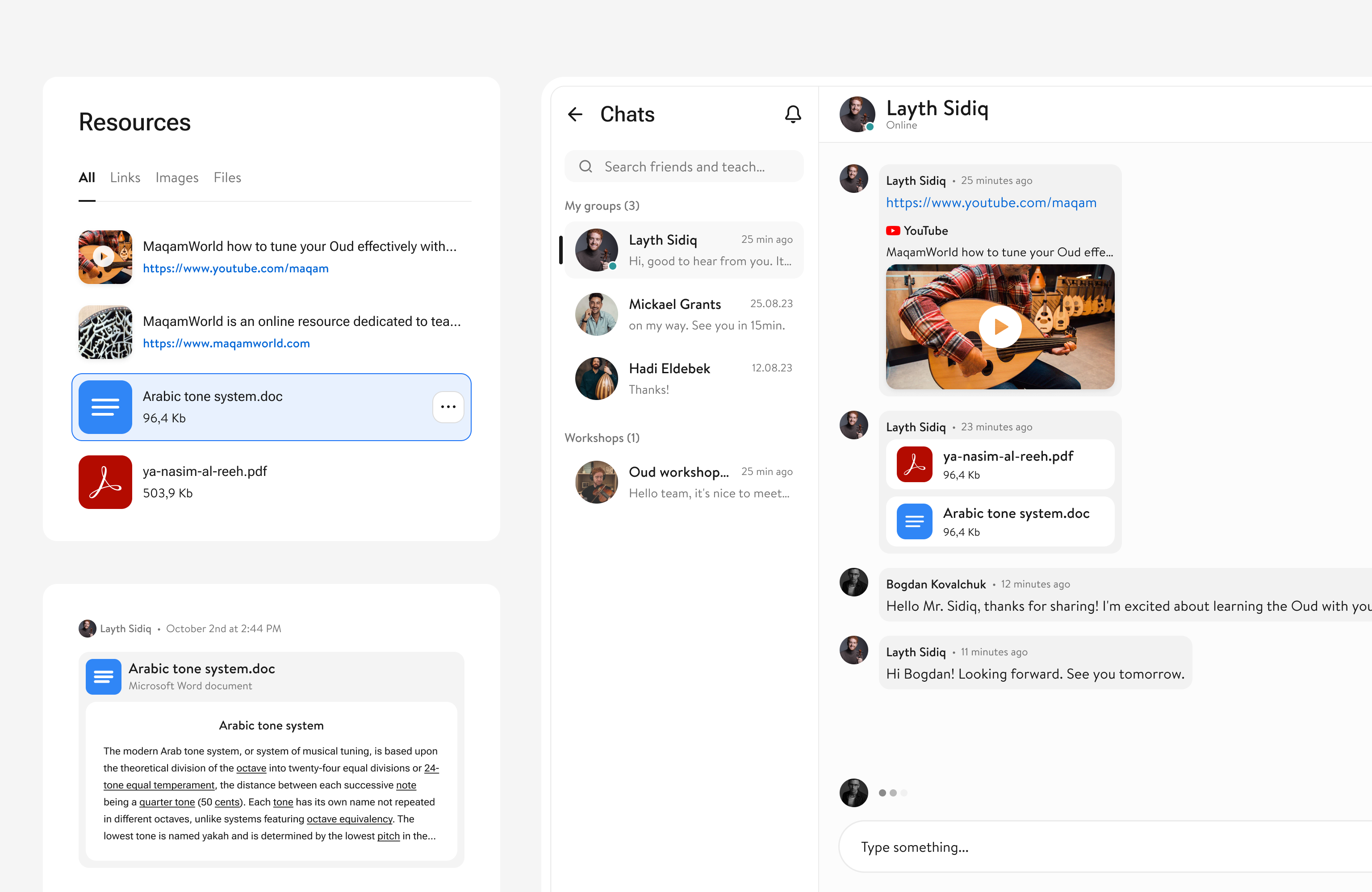
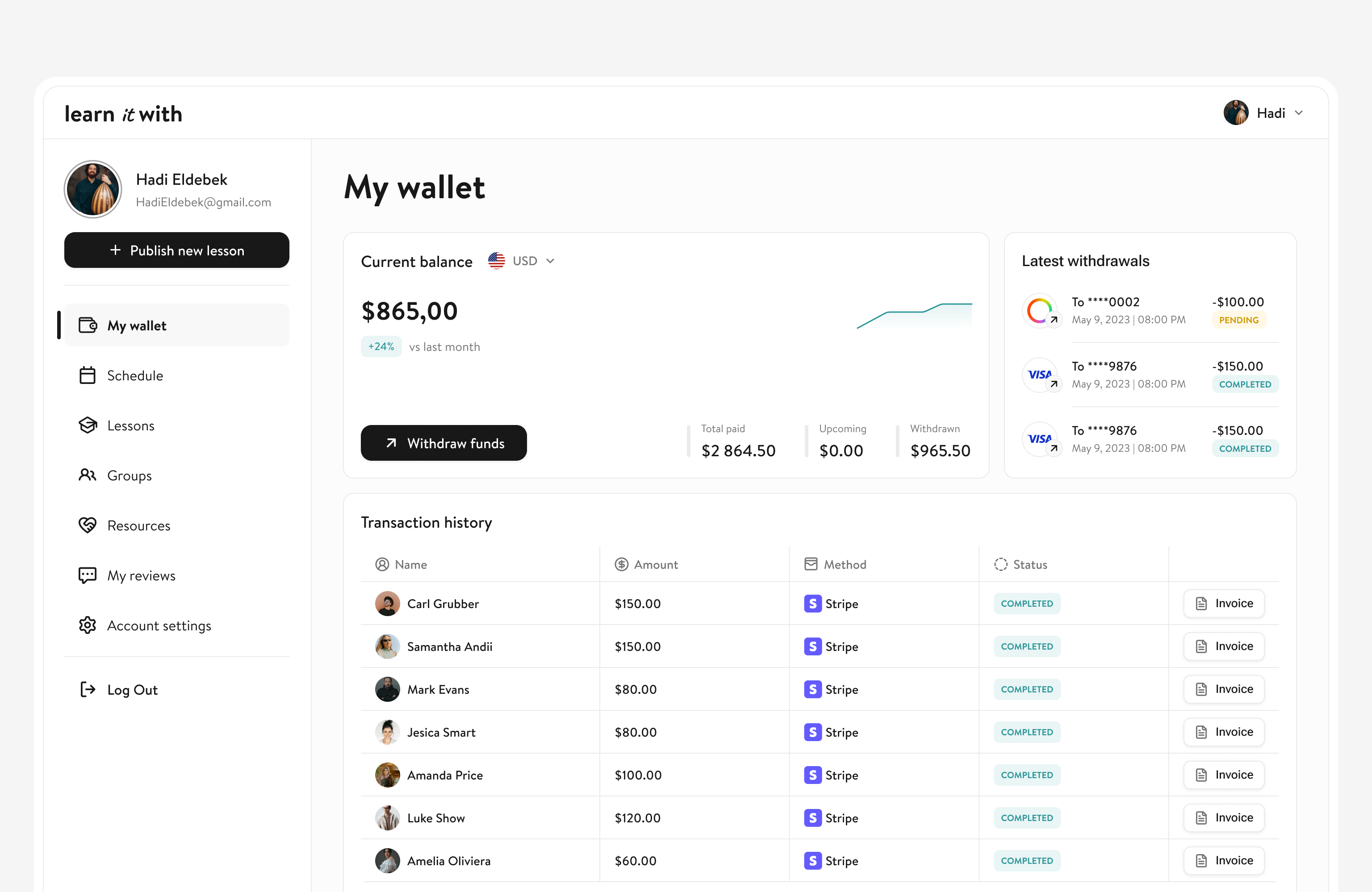
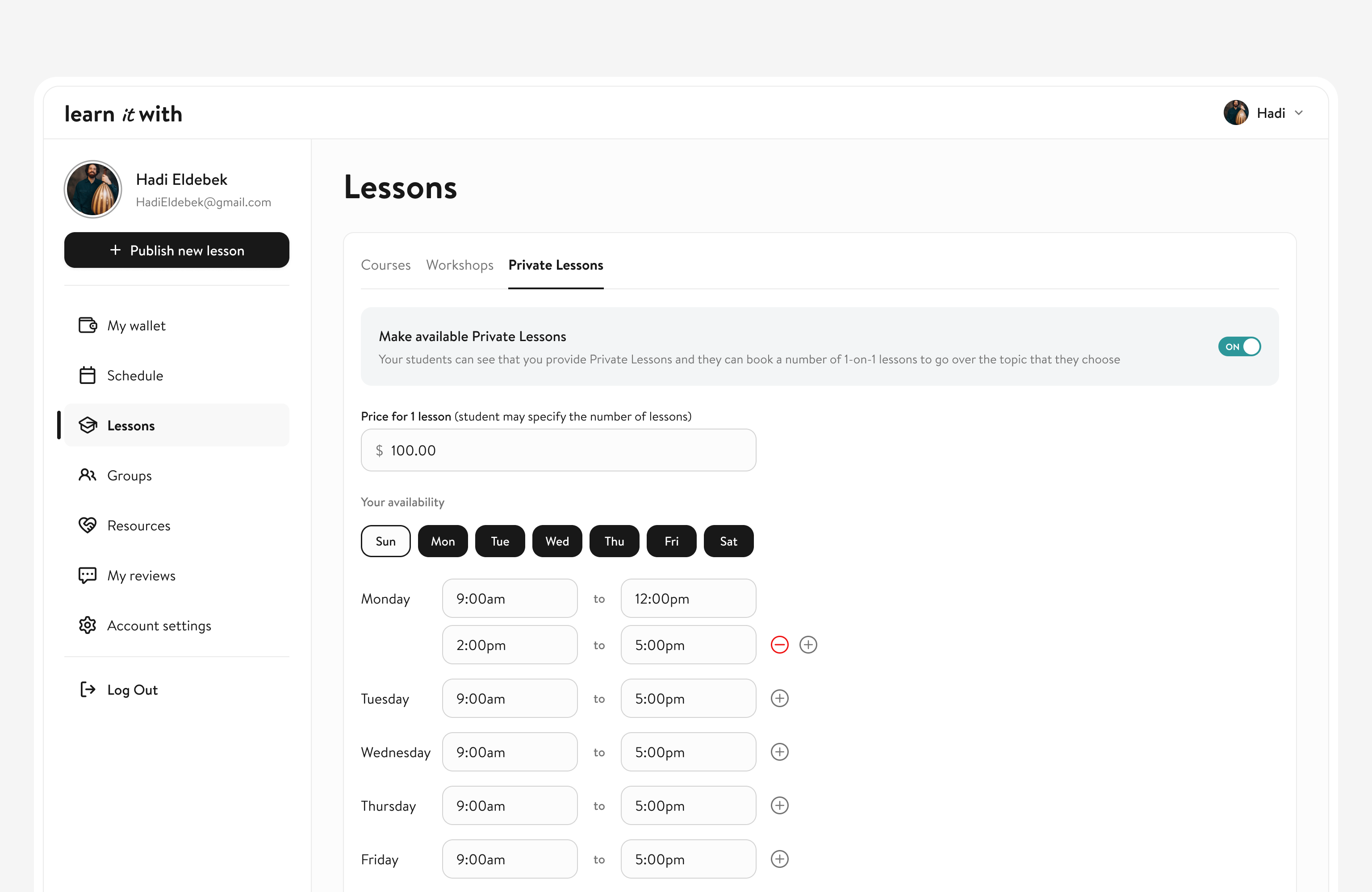
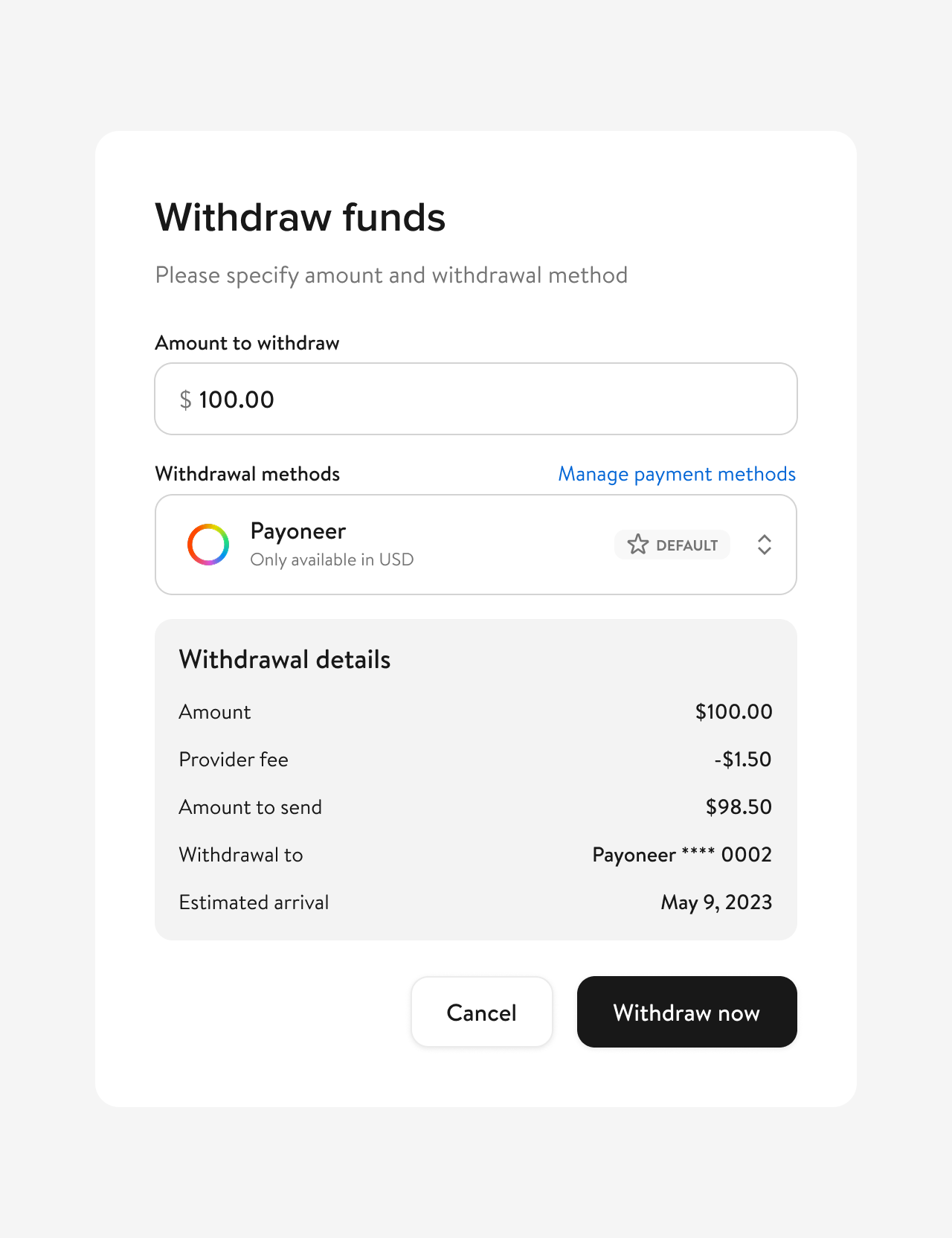
While students need clarity and guidance, I recognized that teachers require efficiency and control. I designed the teacher workspace as a centralized environment where tutors can manage their schedules, students, lesson details, and earnings without unnecessary friction.
My focus was on simplifying operational complexity—bringing availability management, booking requests, communication, and session oversight into one intuitive interface. The objective was to reduce administrative burden and enable teachers to concentrate on delivering high-quality lessons.


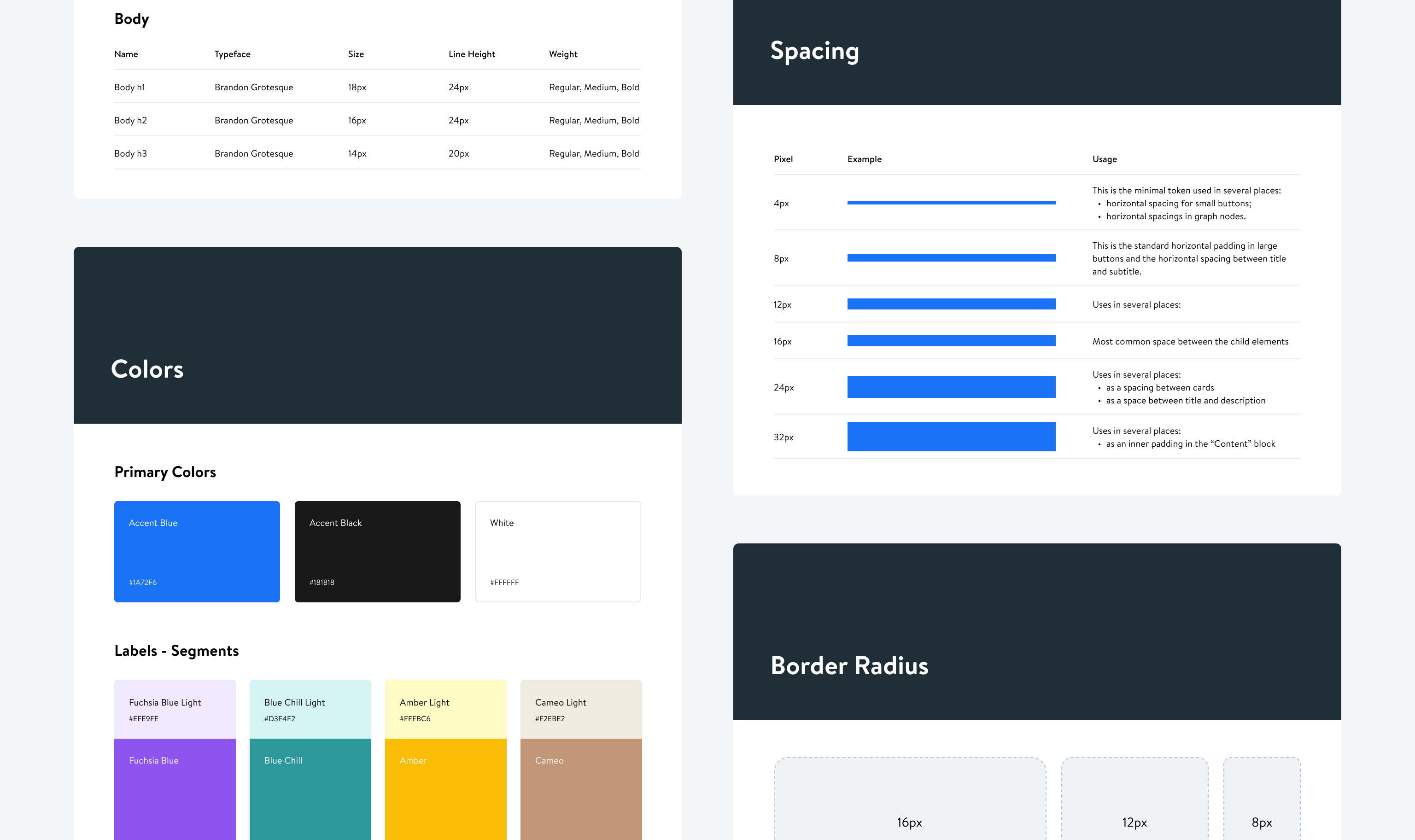
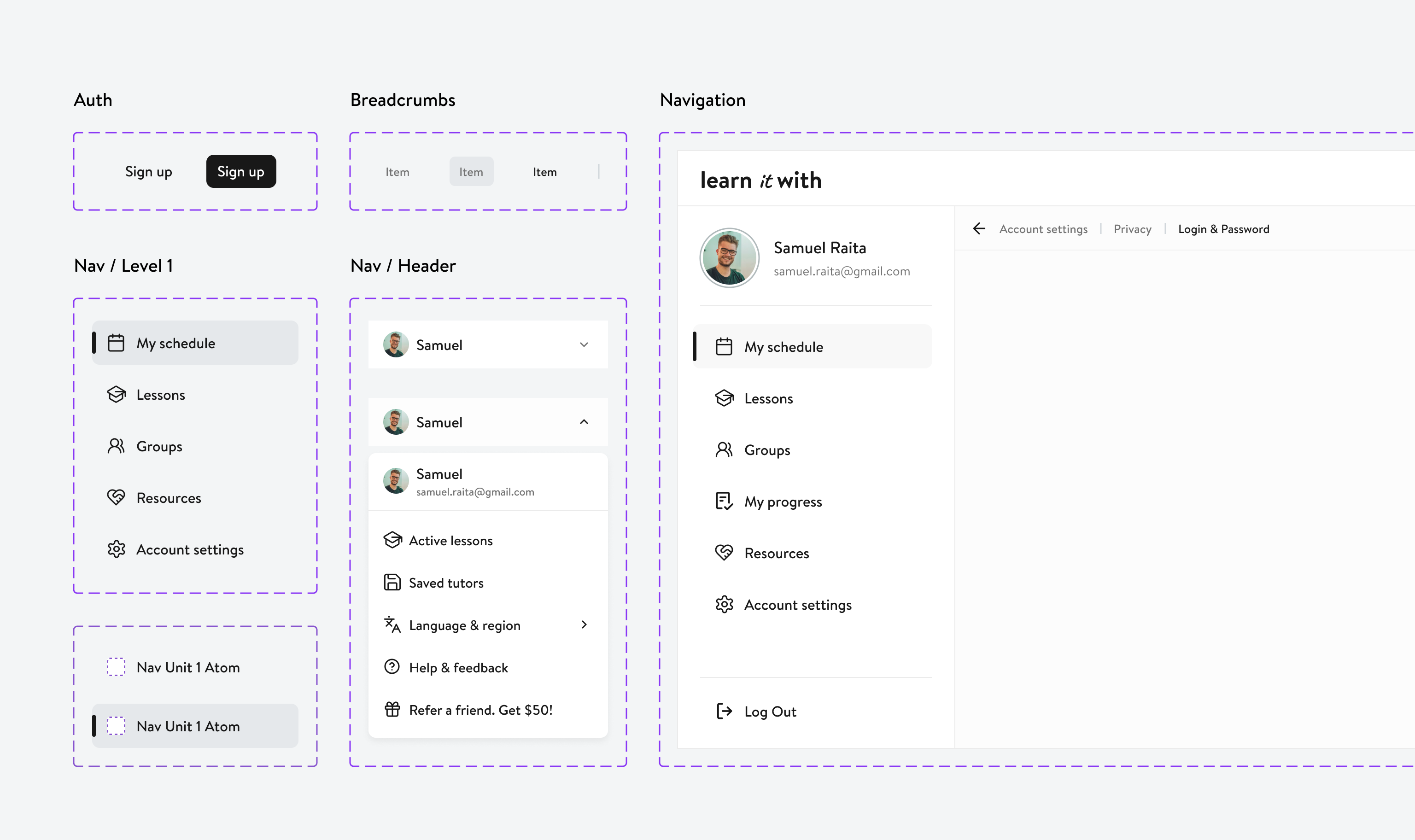
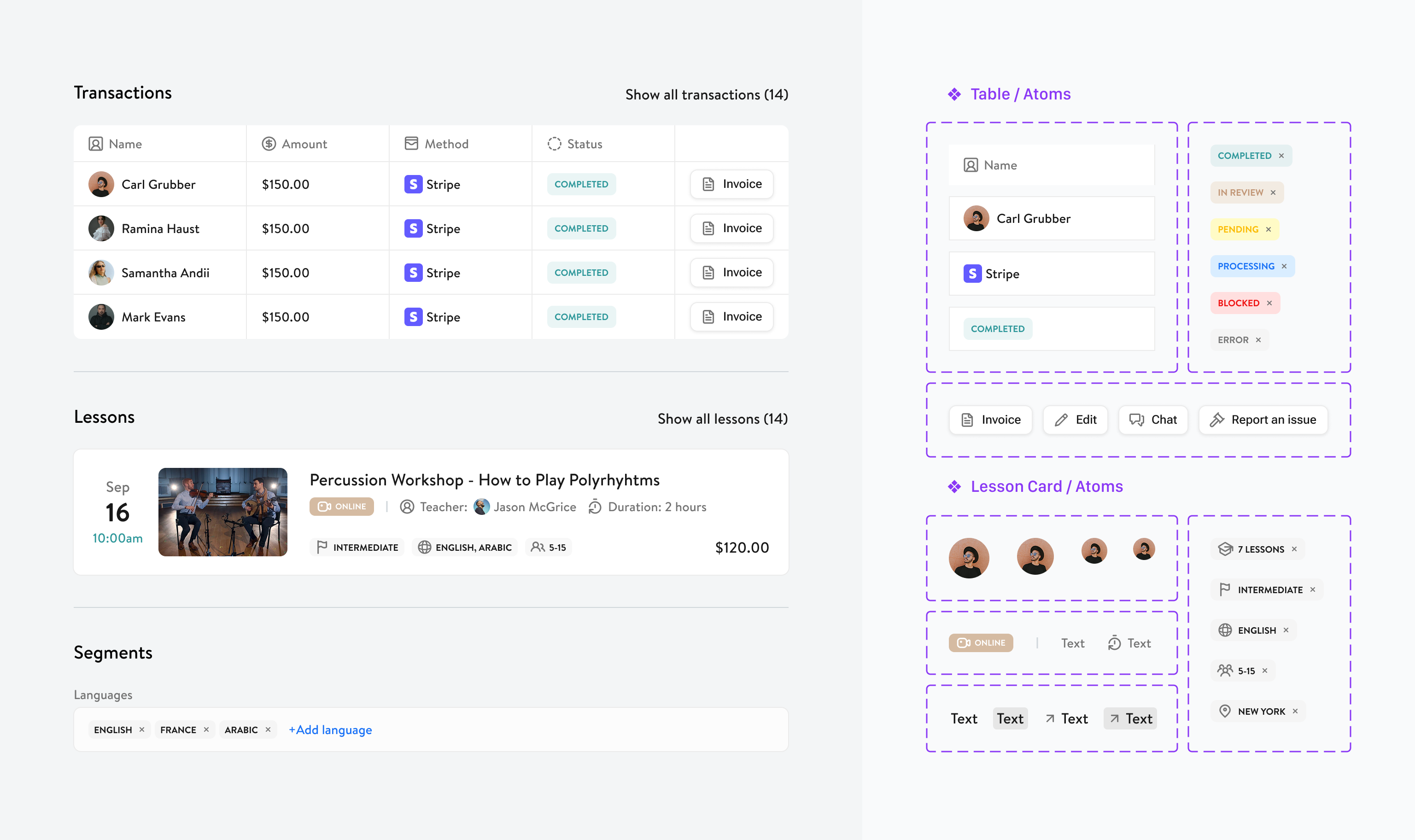
To ensure consistency and scalability, I established a unified design language across the entire platform. Although students and teachers interact with different workflows, the underlying components, interaction patterns, and visual system remain cohesive.
I designed reusable UI components and standardized layouts to maintain clarity across booking, dashboards, and management tools. This approach reduced cognitive load, strengthened brand consistency, and created a seamless experience regardless of user role.
Designing for dual roles: Supporting tutors and students within one platform required balancing two fundamentally different workflows while maintaining a cohesive system architecture.
Beyond booking mechanics: The booking flow wasn’t just about selecting a time slot—it was about building trust and clarity. Treating it as a decision-making journey rather than a transaction changed the structure of the experience.
Operational complexity matters: The real friction often lived on the teacher side. Addressing scheduling, session management, and administrative tools was essential to creating a balanced ecosystem.
Connected workflows: Tutor and student journeys couldn’t be designed independently—each interaction had downstream effects on the other role.