
JENTIS is a tag management and analytics platform where the Getting Started Experience reduces time to value by guiding users through onboarding and early setup.
www.jentis.comLed the initiative to reduce time to value, driving discovery and end-to-end design partnering with product, support, and solution teams.
A cohesive onboarding system including getting started flows, contextual guidance, and in-product help across the platform.
Delivered iteratively from discovery to production in approximately four month.
For a long time, Time to Value wasn’t a key business metric.The main reasons were the technical complexity of the technology itself and our initial focus on large enterprises, for whom long implementation wasn’t a major issue. They usually have wider timelines due to their own policies and processes, and what matters most to them is not quick wins but long-term value — helping them optimize ad campaigns and boost ROAS over time.
The problem became a real pain when we expanded into other markets and shifted our focus from large companies to attracting SMBs
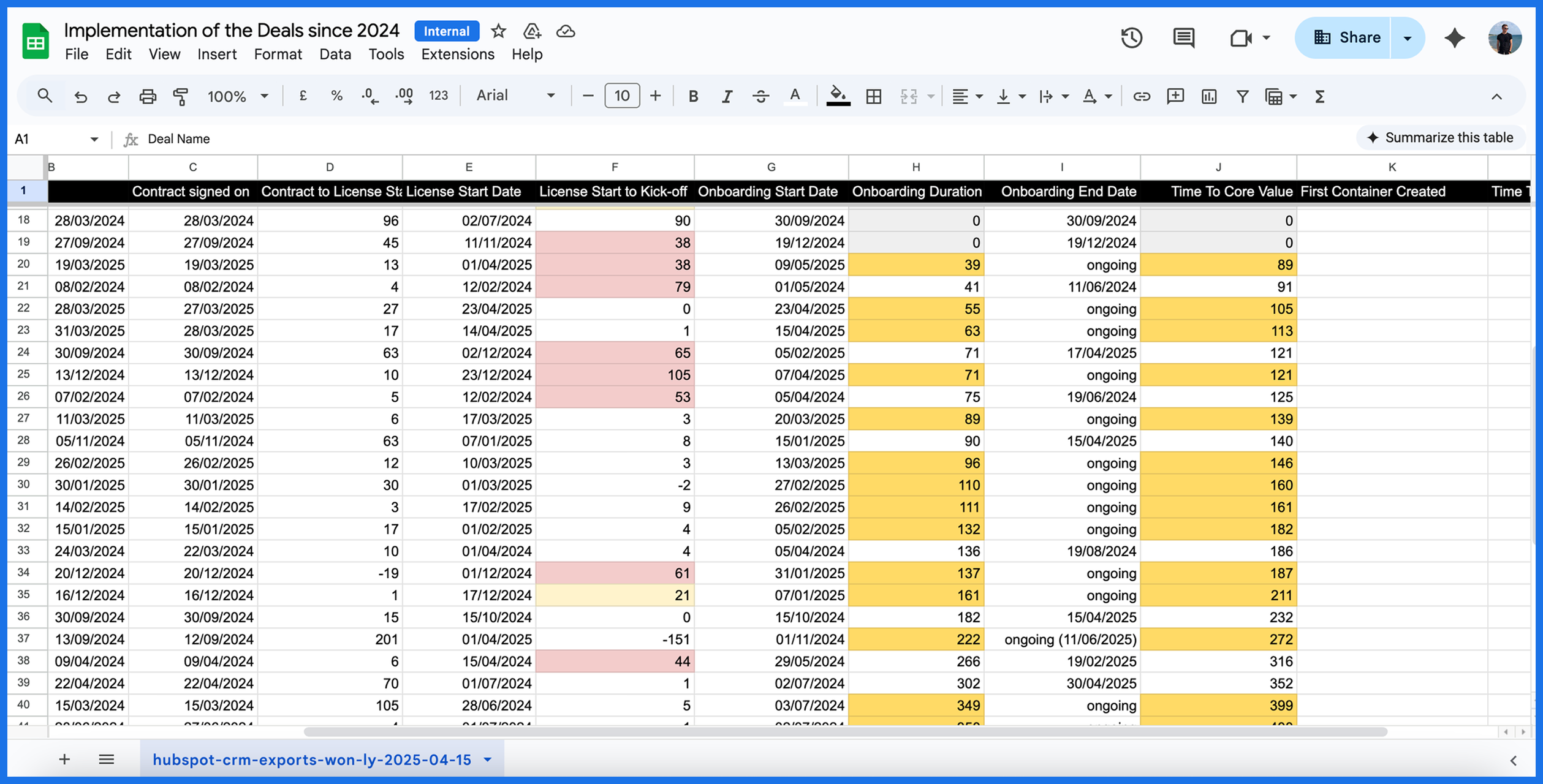
.... That’s when I got involved, and challenged by the following goal.
Identify and implement opportunities to reduce the time to realizing the “value” by customers.
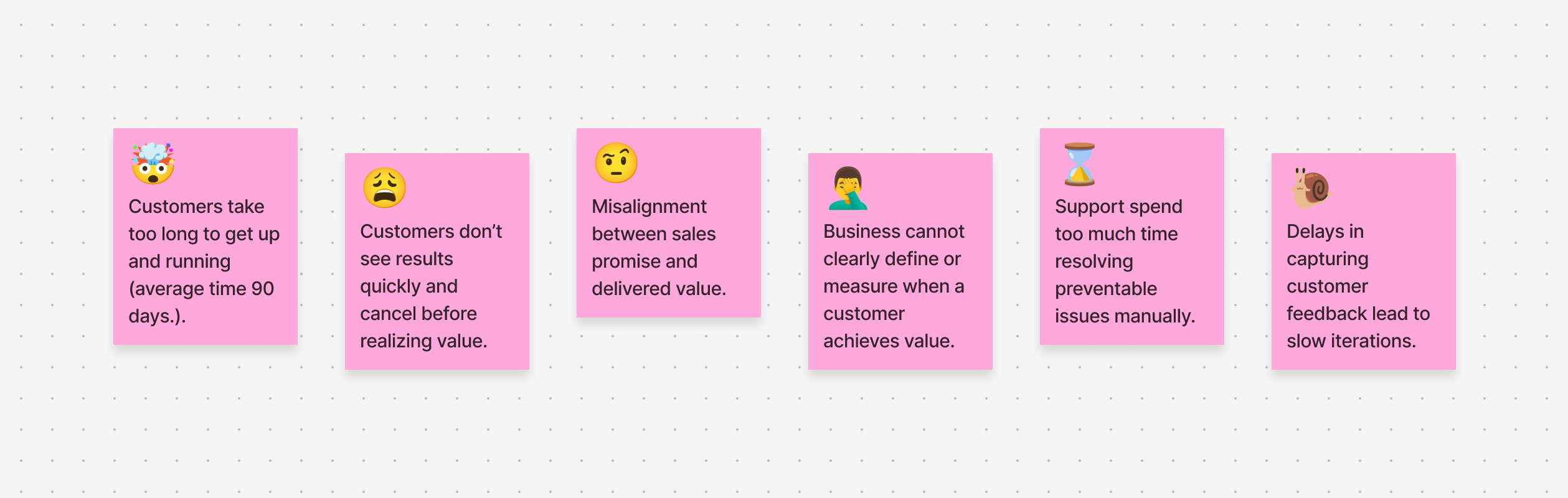
The scope was defined to cover onboarding journeys, support and helpdesk signals, internal stakeholder perspectives, and direct customer conversations, ensuring visibility across all touchpoints involved in the early product experience.

Participate in onboarding calls.
Analyse previous feedback and input.
Speak with Support and CS Team. Review relative Helpdesk tickets.
Speak with Account Managers and document timeline and exact phases.
Speak with Executives and define what is value means for us.
Speak with customers and define what is value means for customers.
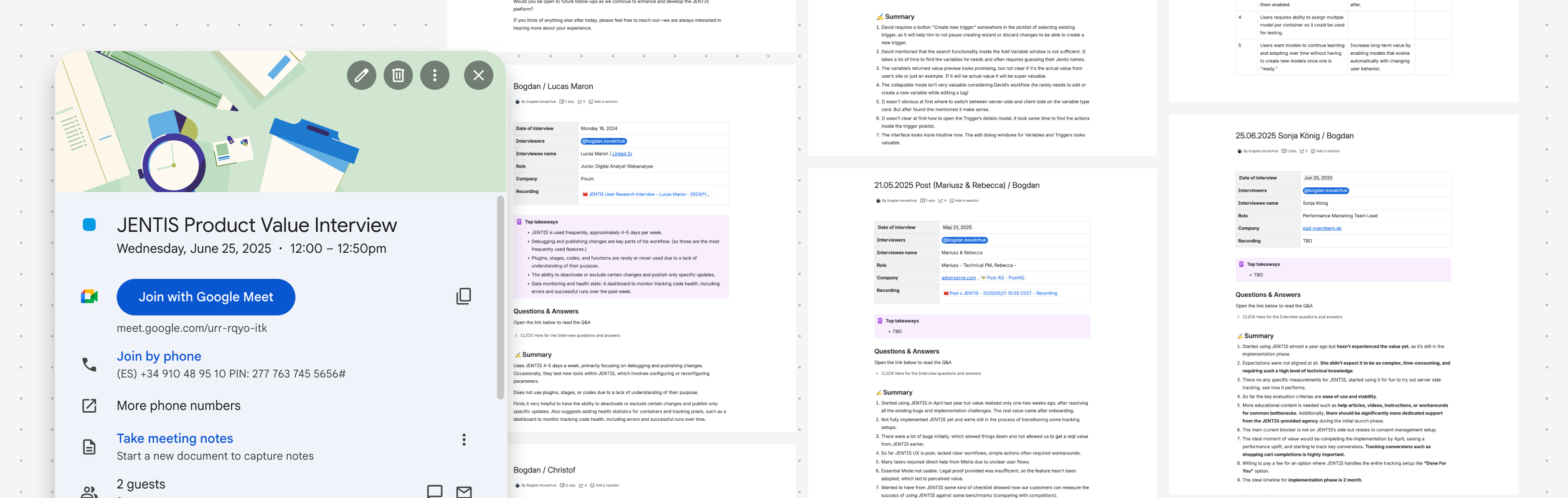
Discovery resulted in a set of confirmed problems, a value definition combining customer and JENTIS perspectives, and early assumptions used to shape the solution.
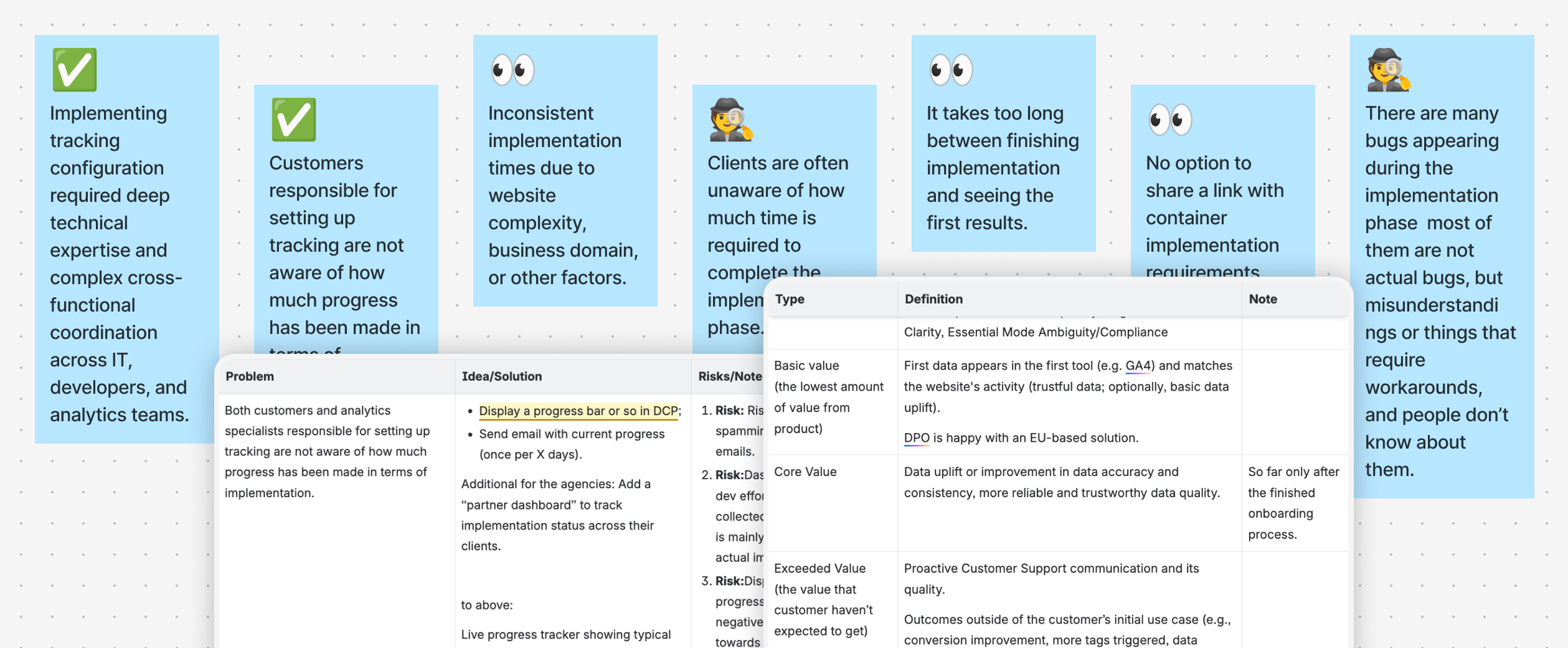
"What initially looked like issues caused by tooling or implementation details were, in reality, driven by gaps in ownership, unclear responsibilities, and missing guidance across teams. This led me to make a strategic decision to reframe the problems from technical hurdles into cross-functional collaboration and guidance challenges."
After discovery was completed, I decided to bring key stakeholders together in a focused workshop with Product Management and Customer Success. The goal was to align a shared view across colleagues, use discovery insights as a foundation, and collectively reframe the problems from a cross-functional perspective. Through this session, we defined the critical user flows that required immediate attention and stronger guidance in order to reduce friction in the early product experience.
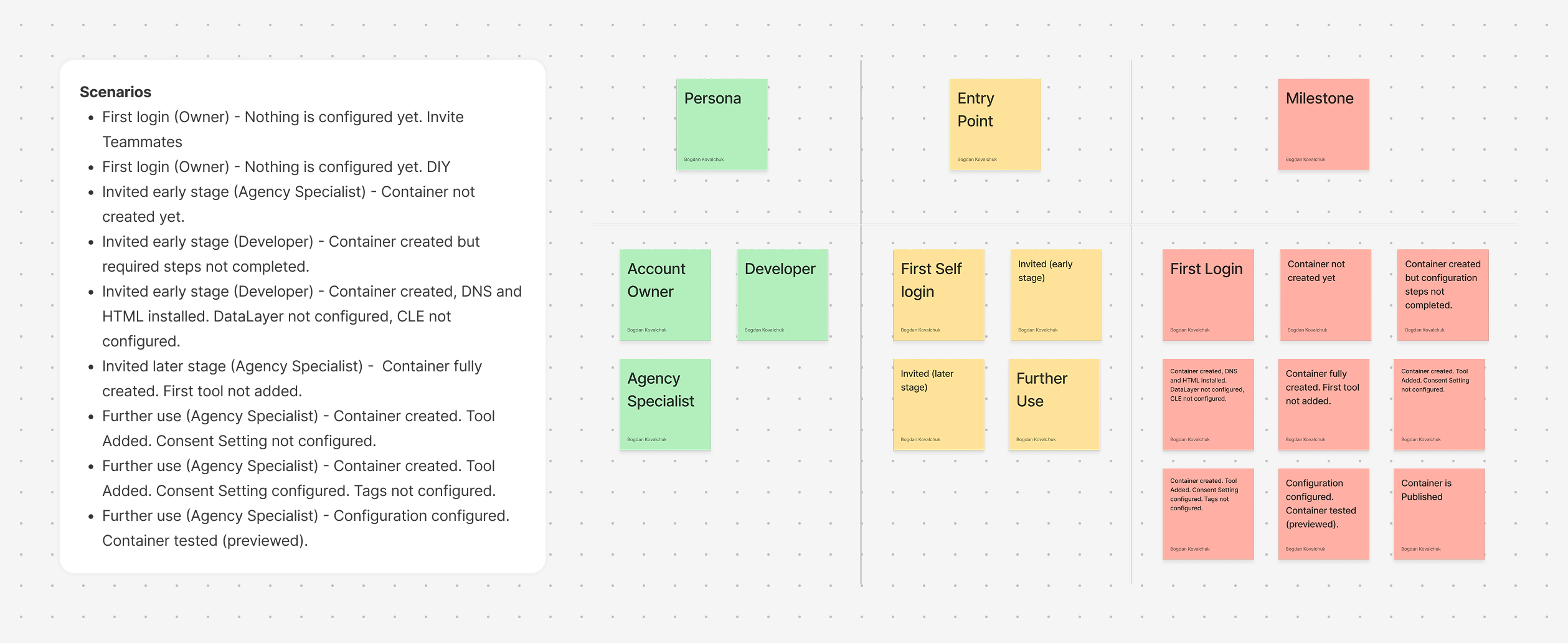
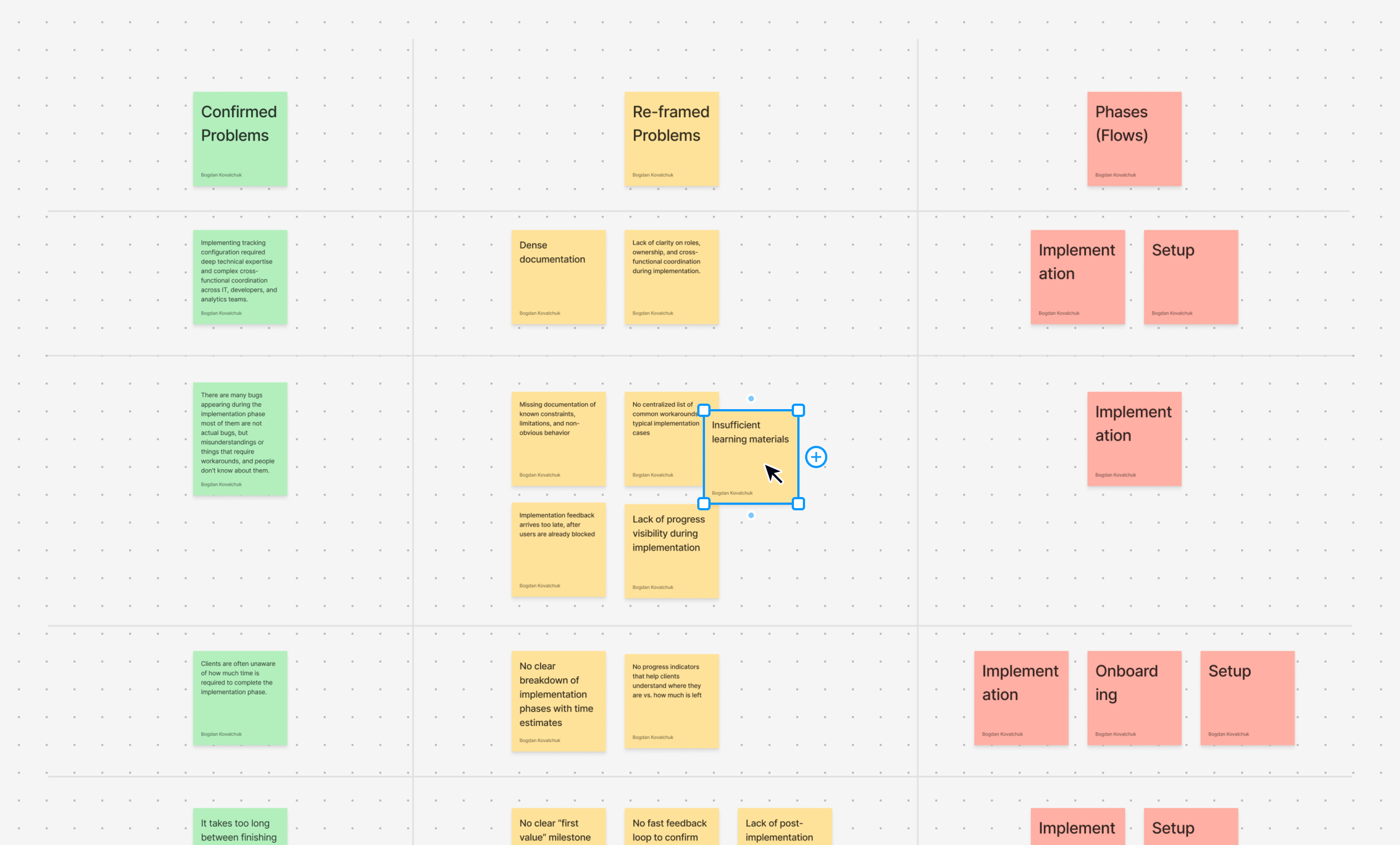
After the workshop, I synthesised the outcomes and patterns that emerged across the discussions. Based on this summary, I proposed clear next steps to the Product Manager, recommending that the scope be split into structured iterations. This made progress easy to track, enabled visible incremental achievements for the team, and allowed us to react quickly by adjusting based on real usage.

The ideation phase was focused on translating discovery insights and workshop outcomes into improved scenarios expressed through screen flows. These flows explored how onboarding and contextual guidance could support critical user journeys, while also enabling early validation of design assumptions and proposed solutions through internal reviews and external testing using clickable prototypes.
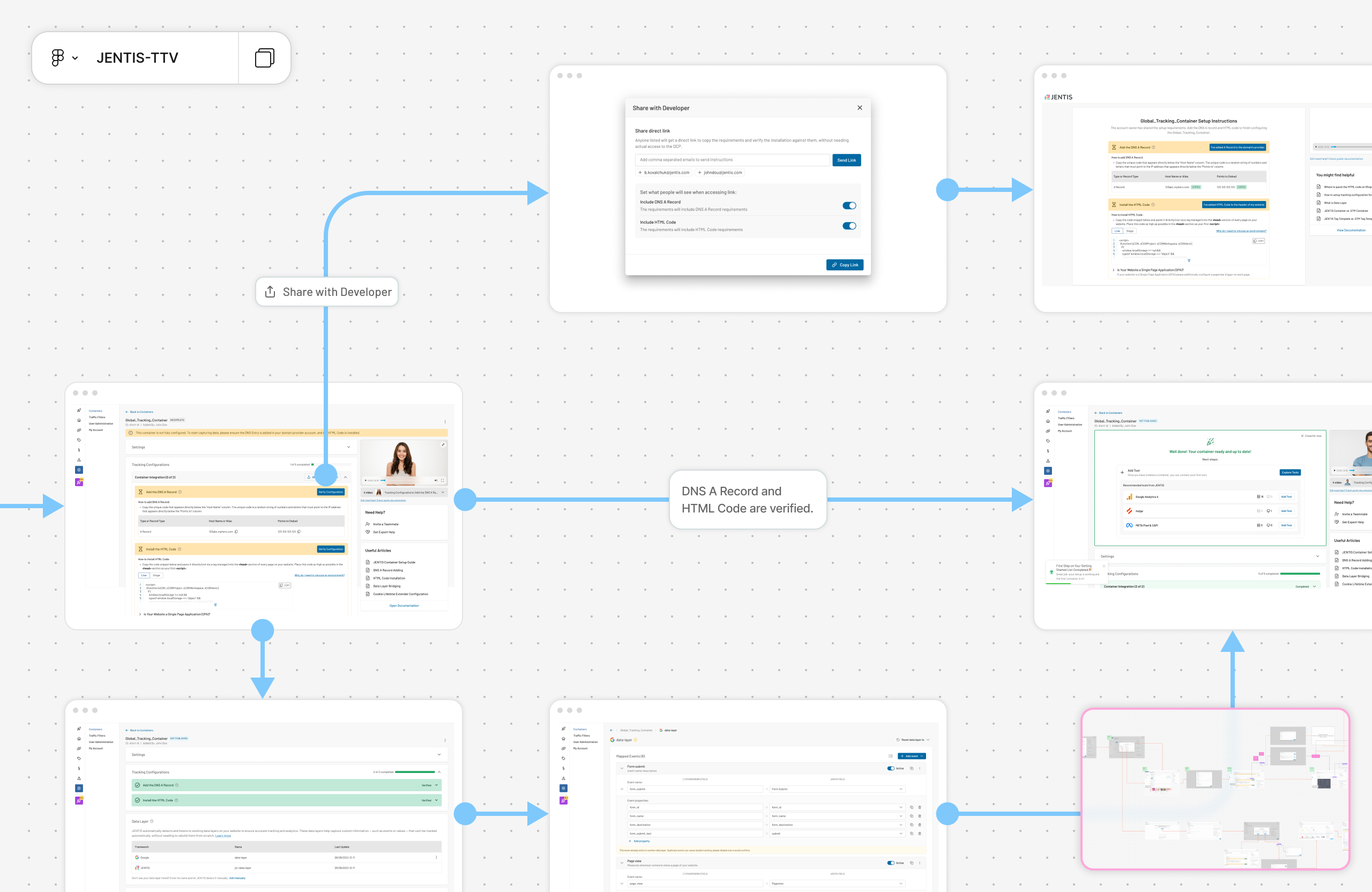
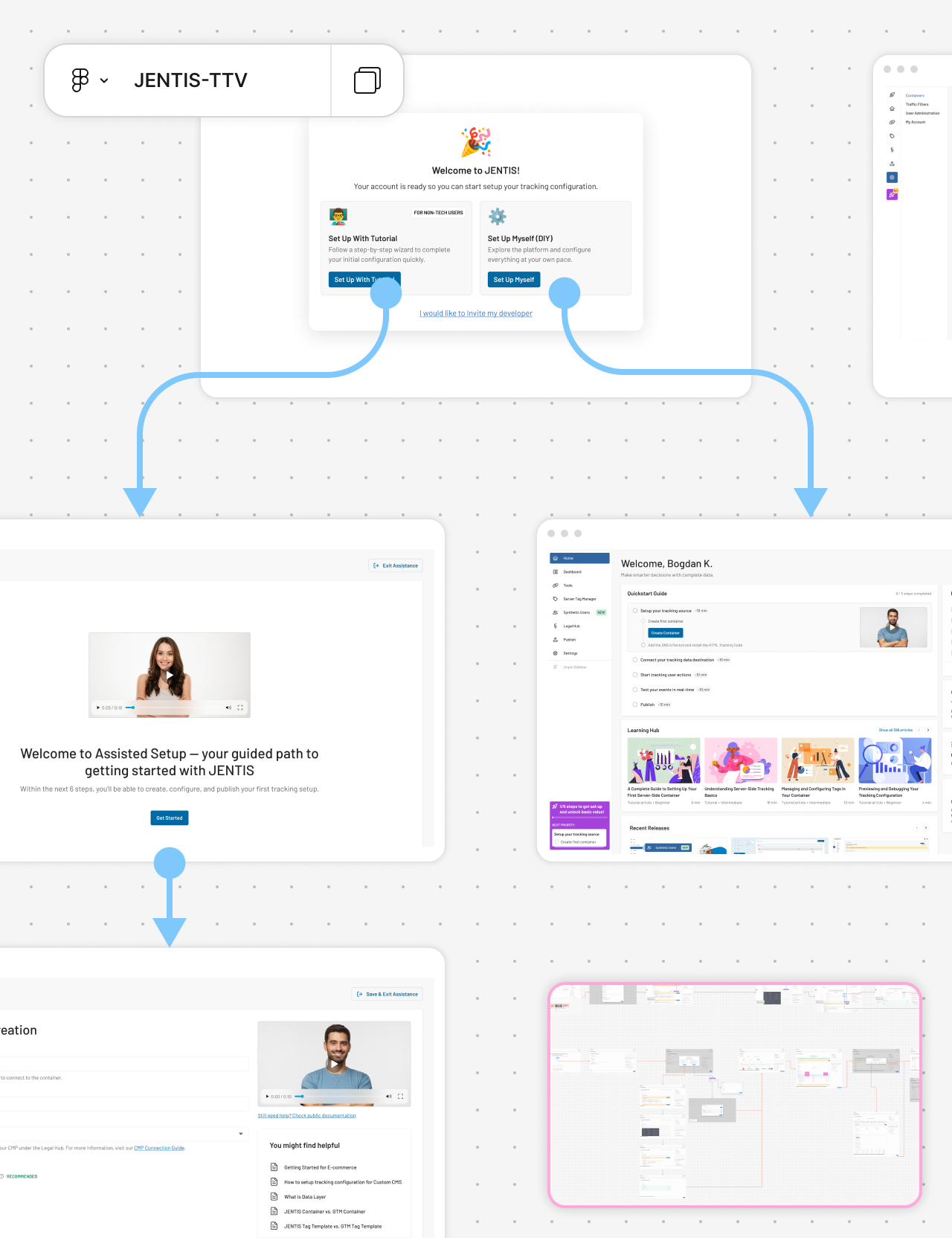
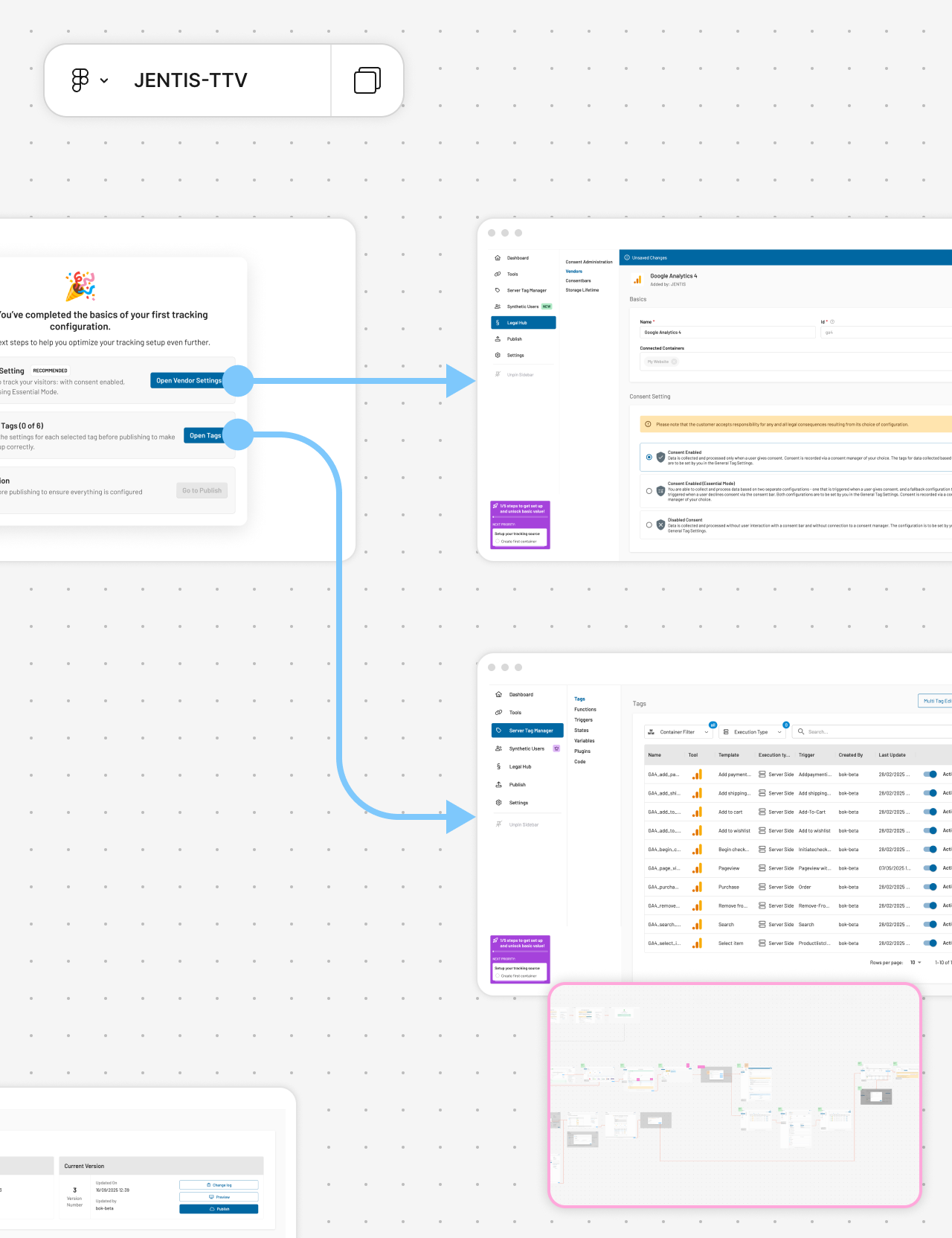
Before finalising the design, I ran an internal and external feedback sessions to review key scenarios and conducted a series of usability tests.
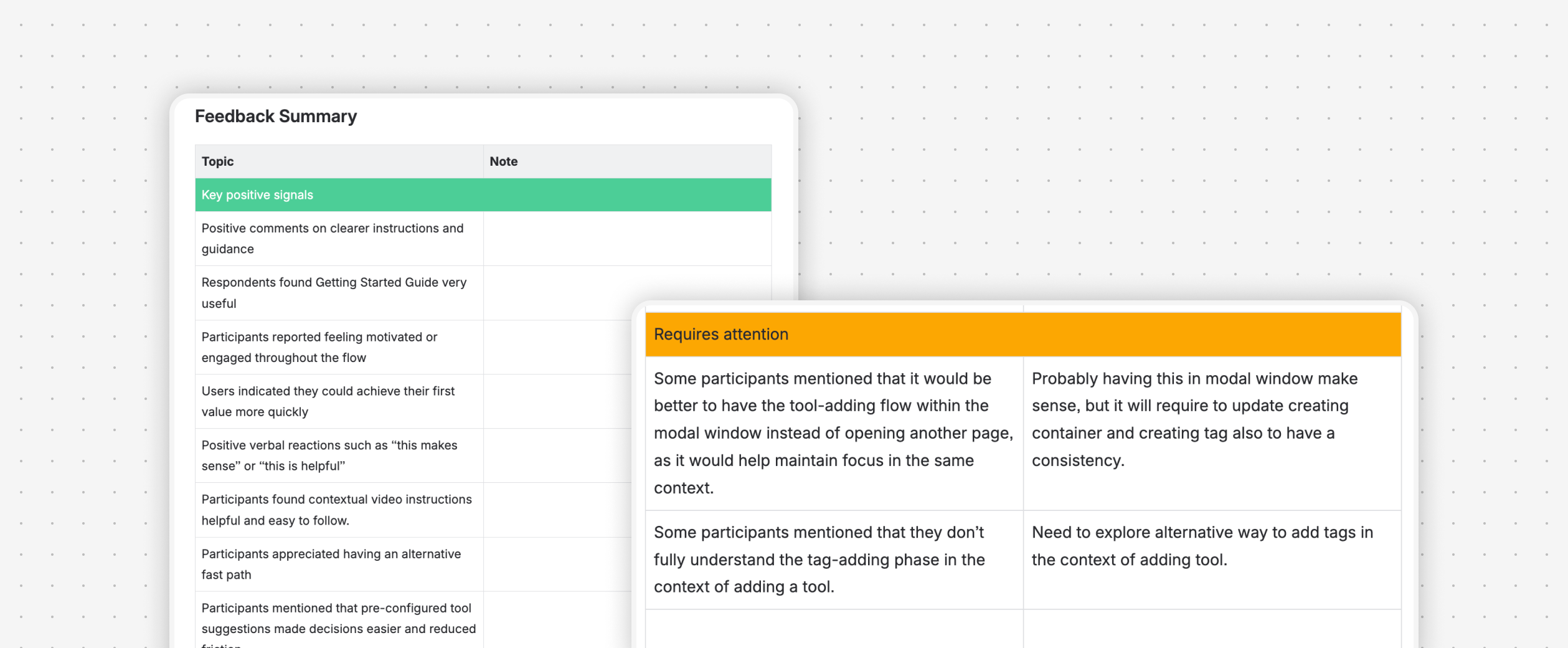
The results were organised into a clear summary highlighting positive signals, minor issues, and areas requiring attention, along with confirmation of key assumptions. Most signals were positive, and the few areas that required attention were adjusted quickly.
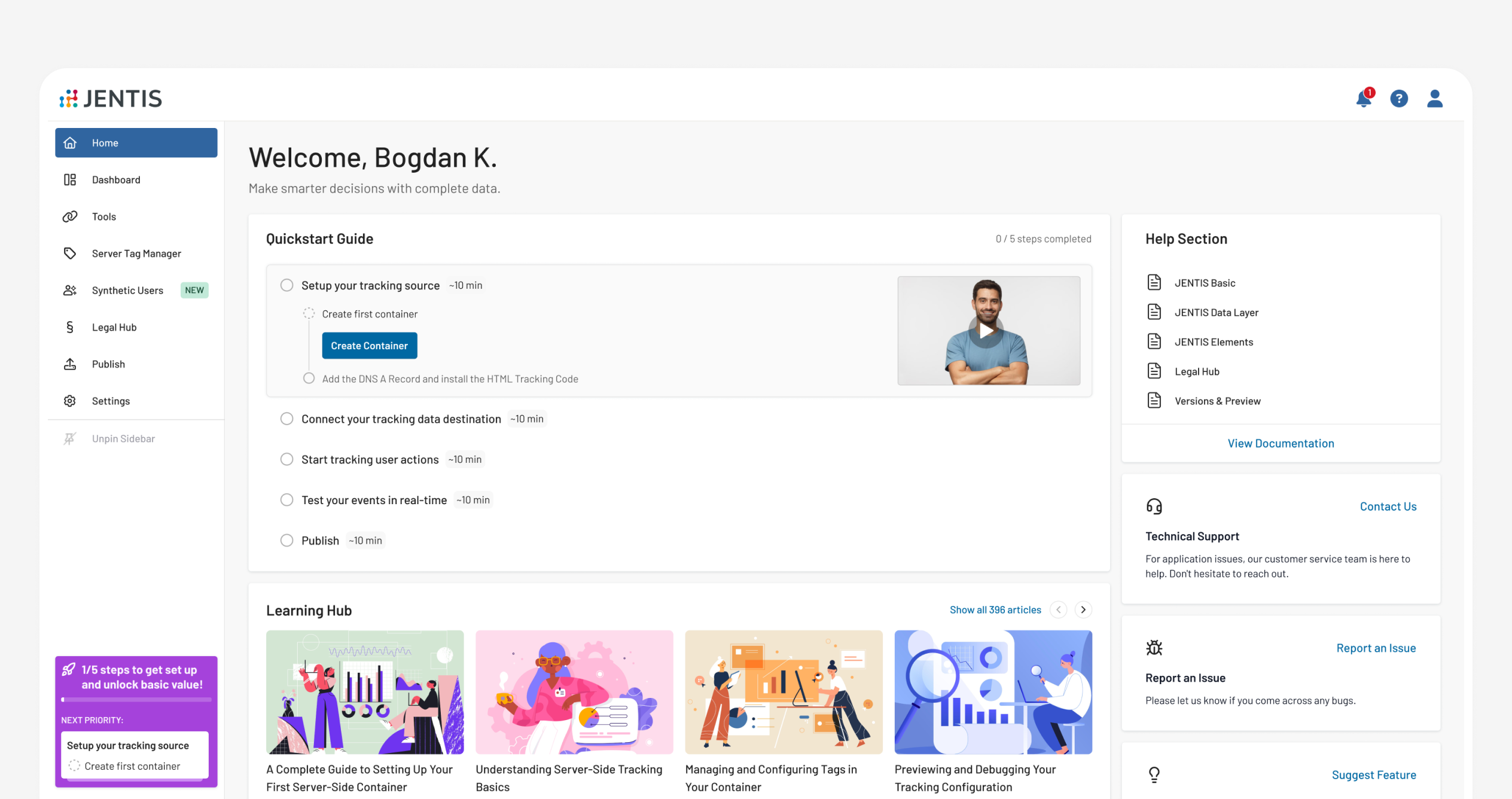
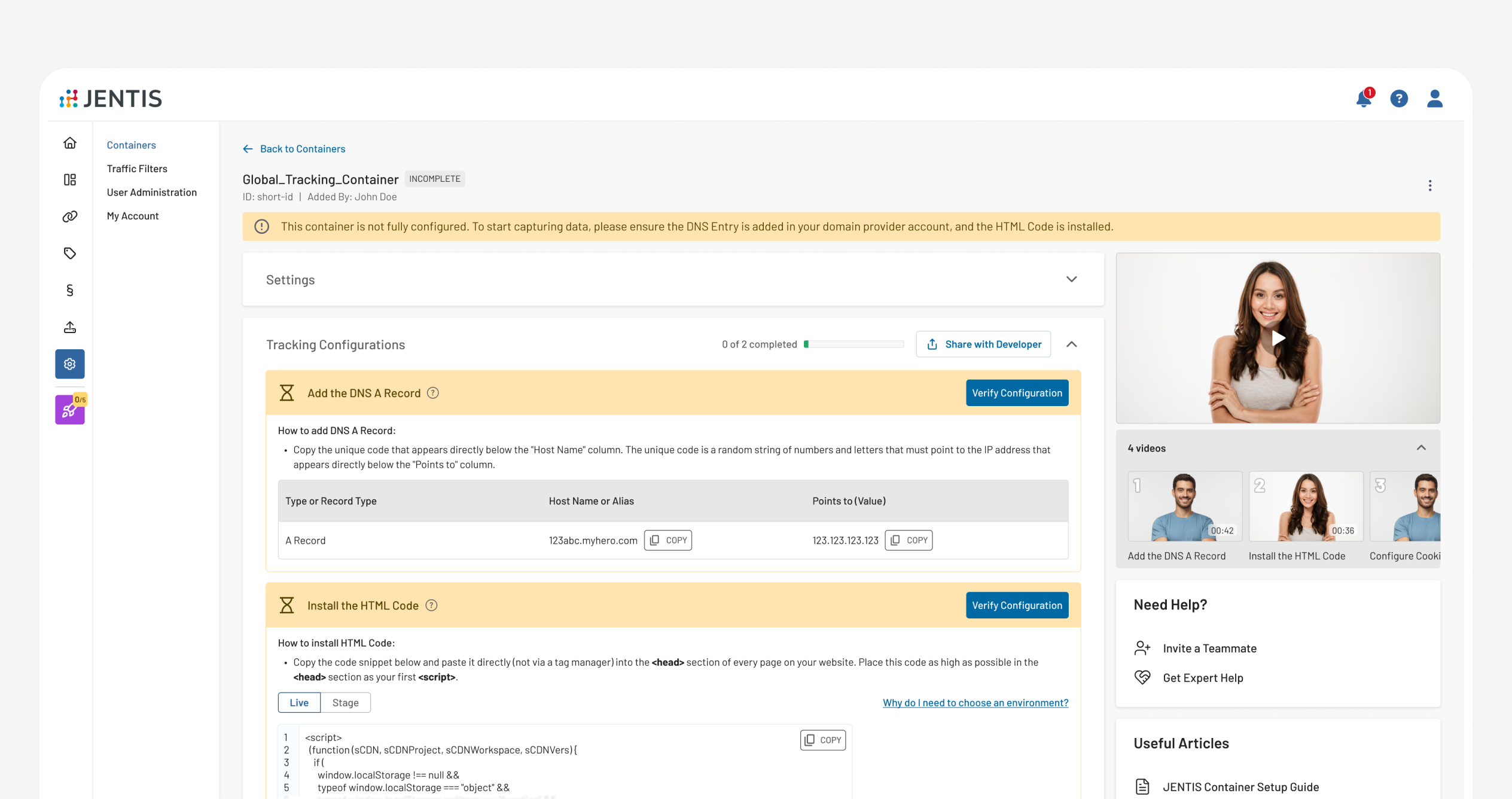
Following validation, I moved into final design for the prioritised iteration scope, leveraging existing design system components to ensure consistency and scalability. Below are representative screens from the delivered flows.
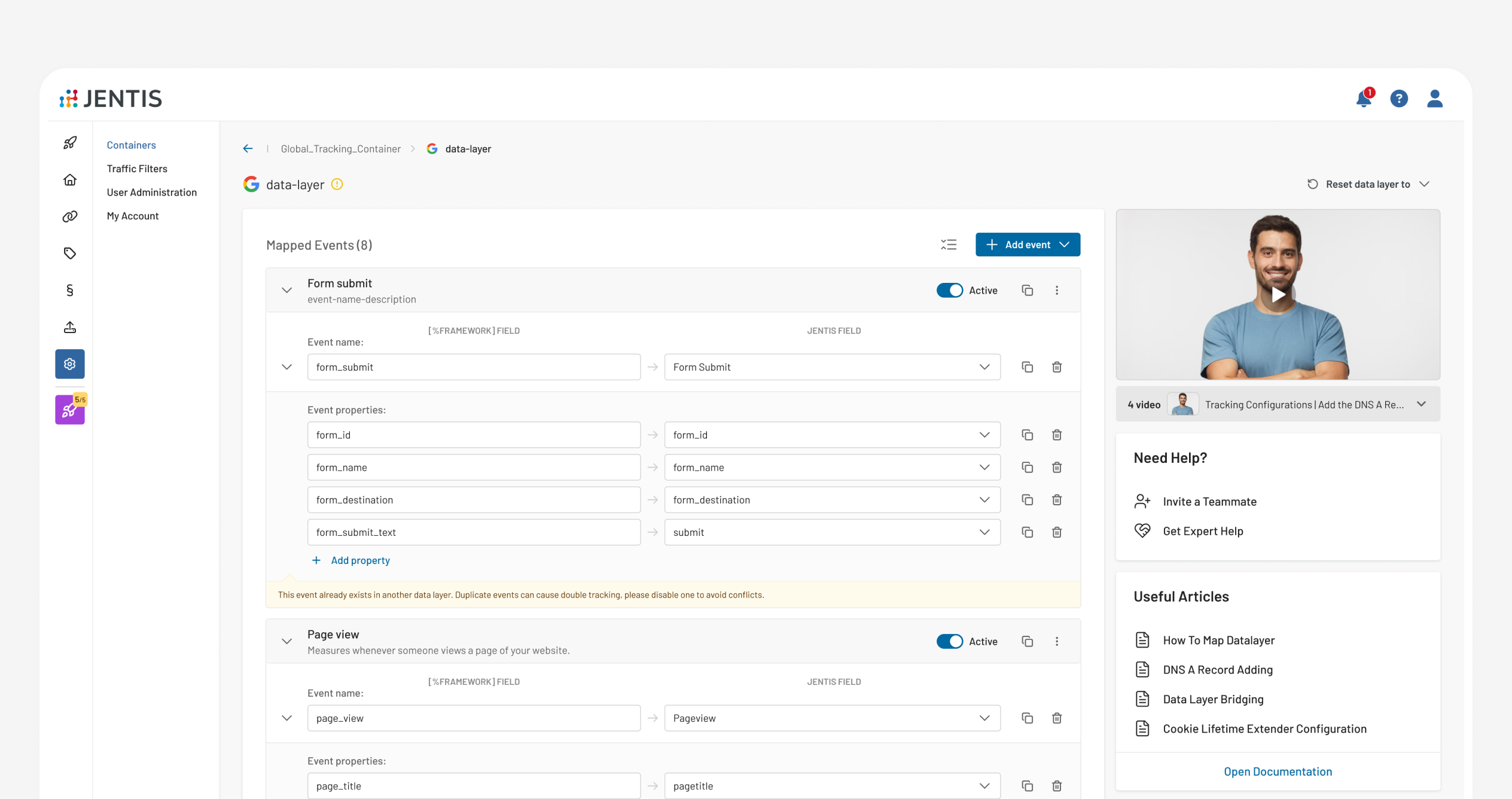
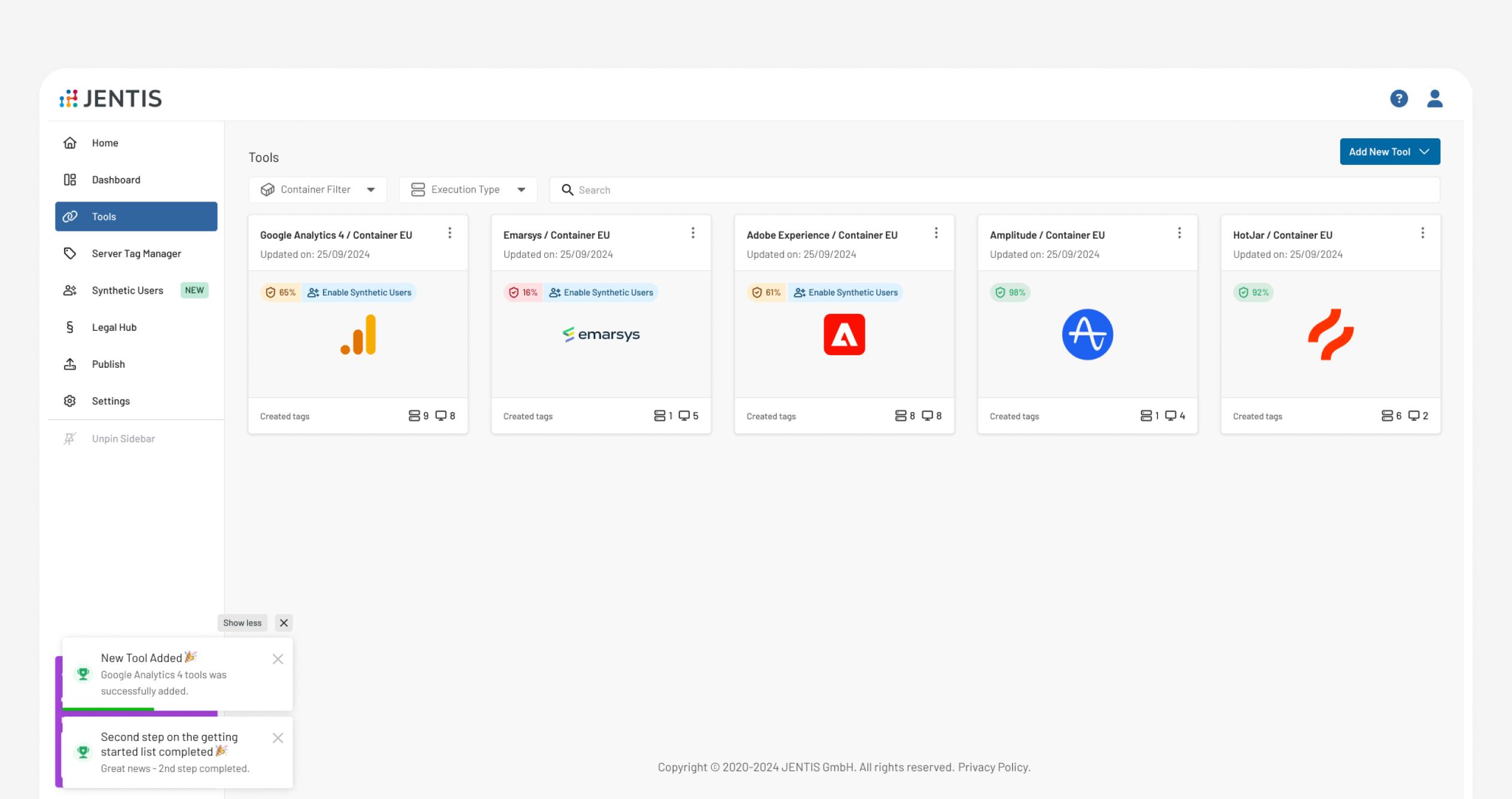
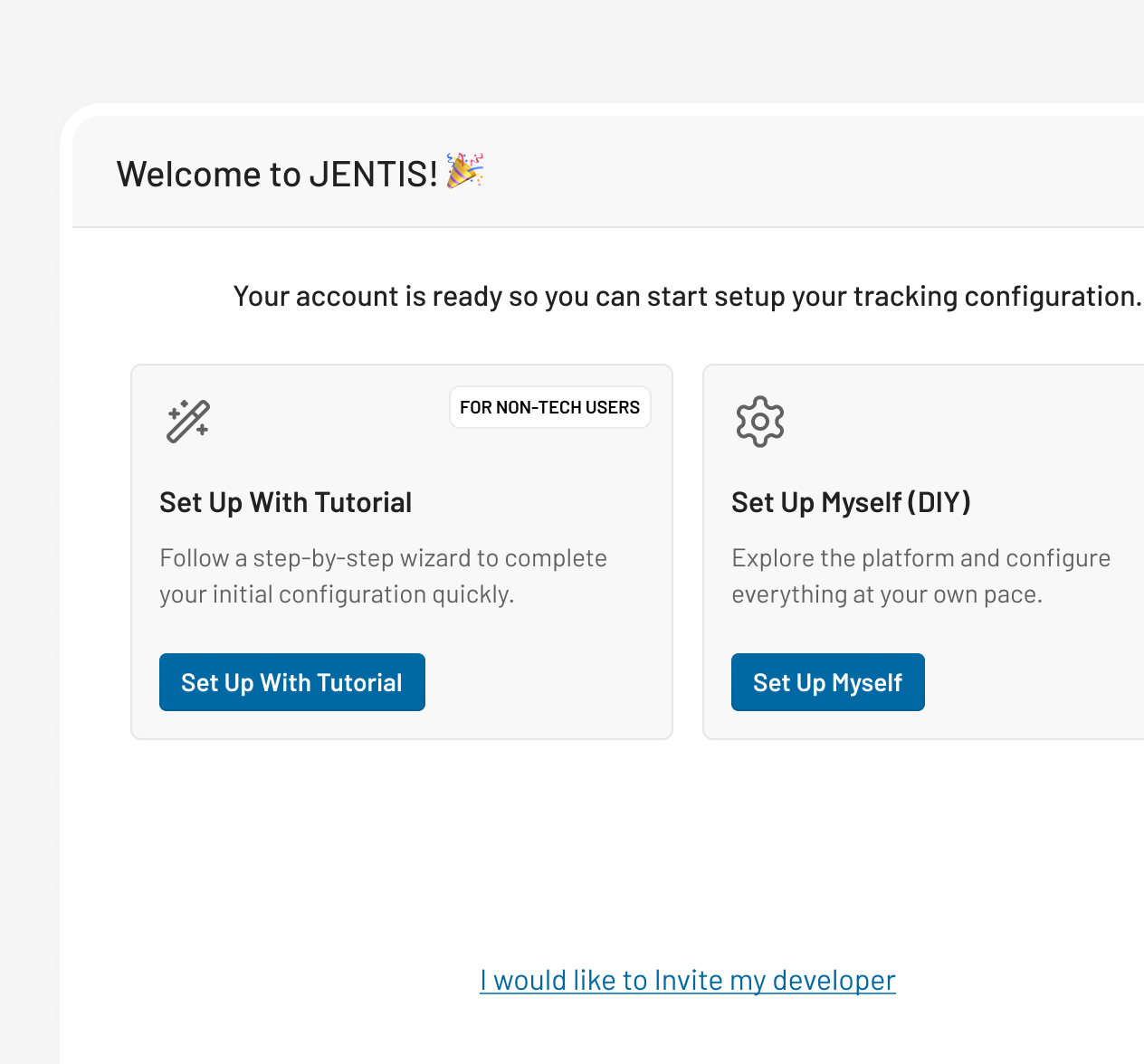
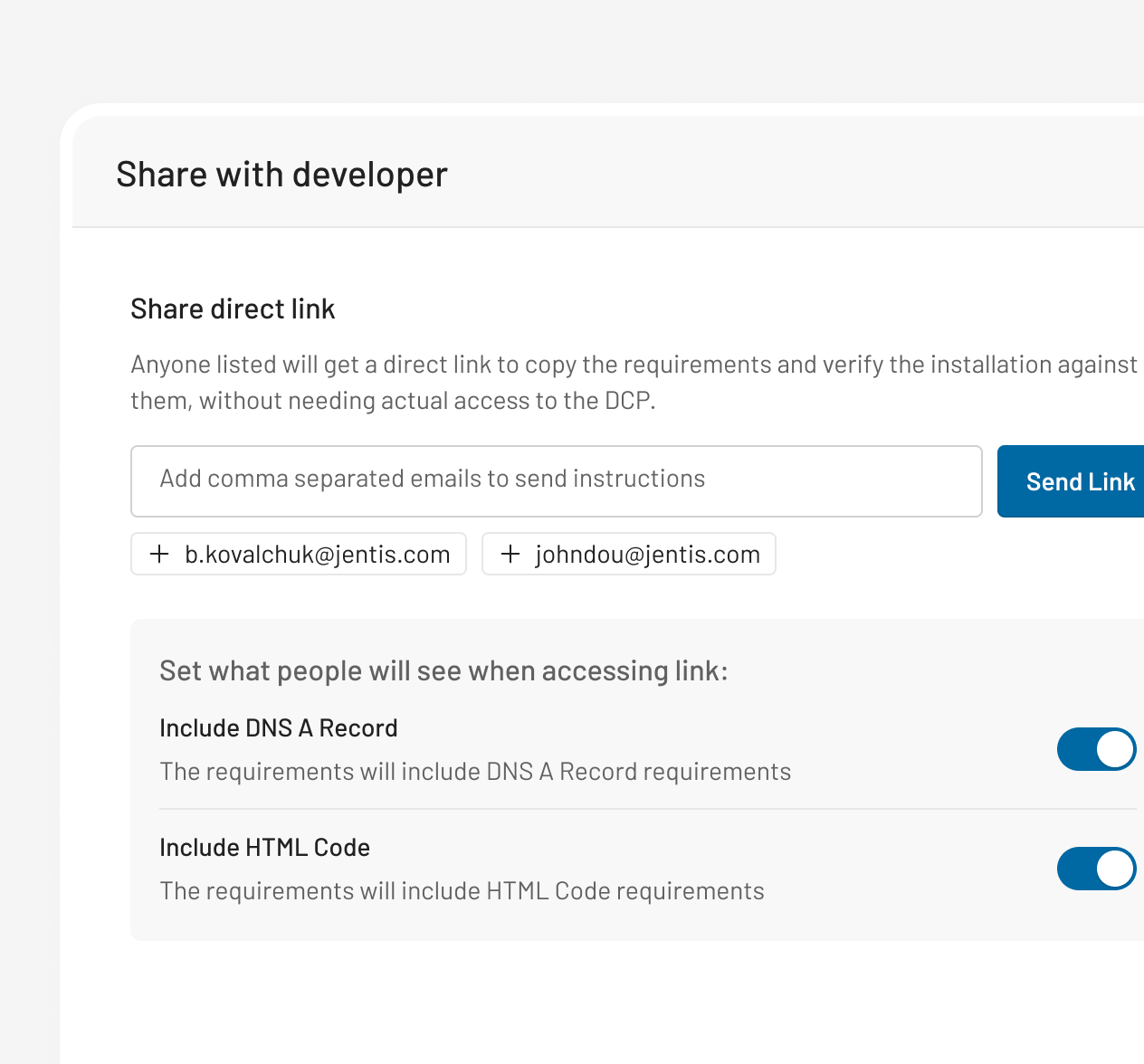
As the initiative is still in progress, final performance metrics are not yet available. However, early indicators from HubSpot CRM already show positive signals suggesting that the implemented design solutions are moving in the right direction.

Out of 6 new customers already reached basic value in less than 10 days from contract signing.
Reduction in customer support workload related to typical issues and workarounds.
Customers satisfied with the updated onboarding and setup phases in early adoption.
Reframing problem: What initially appeared to be technical hurdle was rooted in cross-functional collaboration and guidance problems. Reframing the problem changed both priorities and solution direction.
Time to value is a cross-functional responsibility: Reducing time to value required close alignment between Product, Support, Solution Engineers, Sales, and Design — not just interface improvements.
Iterative milestones keep teams motivated: Breaking scope into meaningful iterations enabled faster validation, reduced delivery risk, and kept the team motivated throughout a large, long-term initiative.
Guidance reduces support dependency: Contextual guidance significantly reduced support workload and increased user confidence during early adoption.